



How to Choose Dining Room Furniture That Fits

Start with the space, not the style. When investing in dining room furniture, begin by mapping the exact parameters of your room and calculating human movement patterns. You should always aim for at least 36 inches of clear perimeter space between the table edges and any surrounding walls, storage cabinets, or open doorways. This buffer guarantees that dinner guests can smoothly slide chairs in and out without brushing against nearby surfaces. Choose seating capacities tailored to your daily household habits first: a compact four-piece arrangement is ideal for intimate daily routines, while an extendable banquet setup ensures you can host extended gatherings with ease. Before purchasing, compare material durability, seat support, ergonomics, and maintenance needs to decide whether a coordinated collection or individual signature pieces best suit your lifestyle.
A well-planned dining environment feels just as wonderful to live with as it looks at first glance. Layered ambient lighting, thoughtful architectural accents, an uncluttered centerpiece, and generous walking space transform simple everyday breakfasts and festive celebratory dinners into warm, inviting experiences.
I'm Nino Russo Alesi, founder of Rattan Imports. My background across hospitality leadership and home-furnishing e-commerce guides how I help homeowners select versatile, long-lasting dining room furniture that elevates their living spaces and enriches shared gatherings.
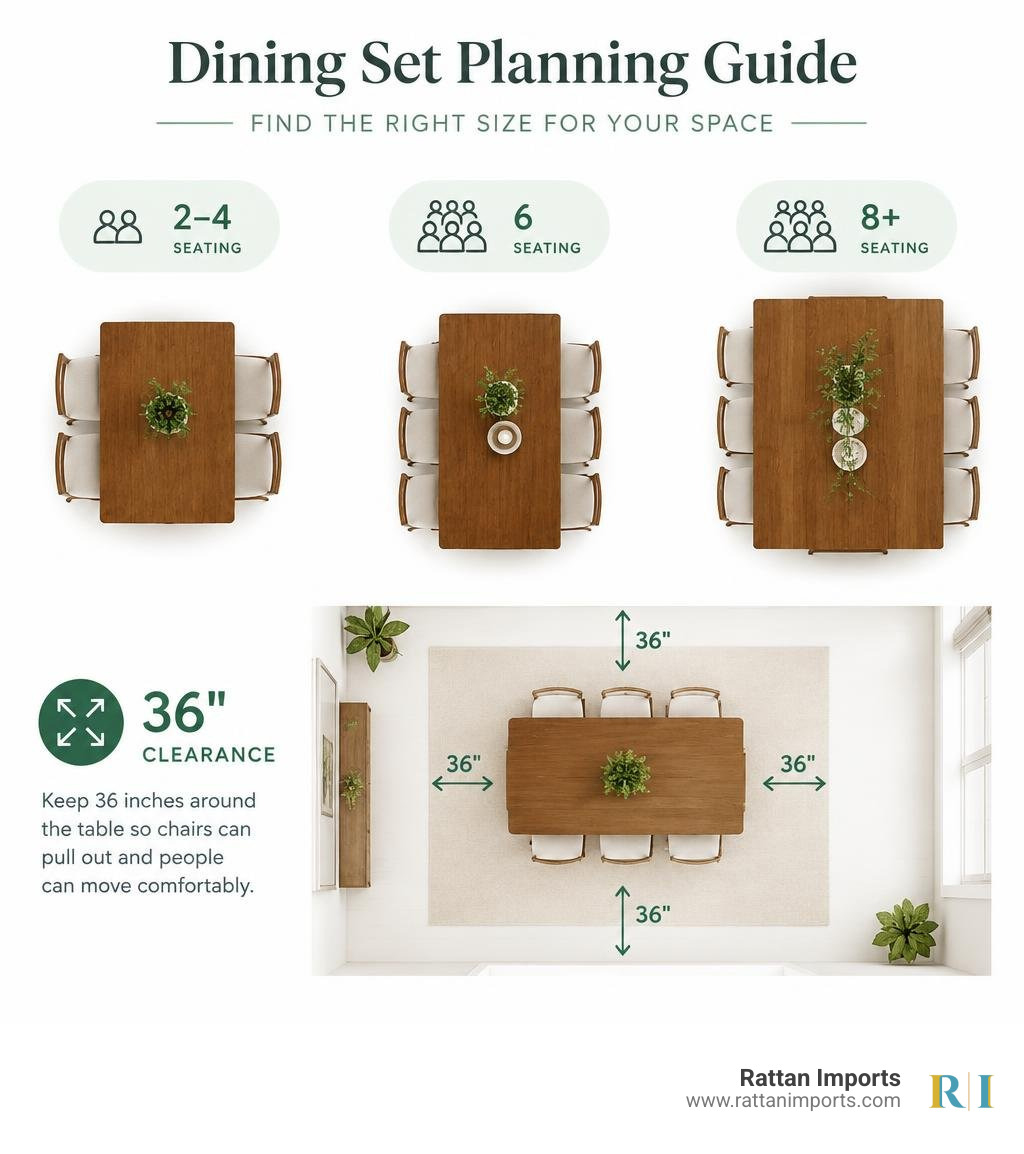
Dining room furniture vocabulary:
Types and Configurations of Dining Room Furniture
Finding the right setup means balancing how you live every day with how you like to host. Dining collections range from compact breakfast arrangements to expansive dining banquet tables. To narrow down your search, consult our comprehensive dining table guide to see how various silhouettes harmonize with distinct architectural layouts.
| Table Shape | Typical Dimensions | Best Suited Room Shape | Standard Seating Capacity |
|---|---|---|---|
| Round | 36" to 48" Diameter | Square or compact dining nooks | 2 to 4 guests |
| Square | 40" x 40" to 54" x 54" | Square dining rooms | 4 to 8 guests |
| Rectangular | 60" to 96" Length | Long, narrow, or open dining halls | 6 to 10 guests |
| Oval | 60" to 84" Length | Narrow rectangular spaces with high traffic | 6 to 8 guests |
Standard Height vs Counter Height Dining Sets
Standard dining tables stand approximately 30 inches high, designed for chairs with seat heights between 18 and 20 inches. This classic elevation provides grounded ergonomic comfort for lengthy multi-course dinners and formal occasions, allowing diners to rest their feet flat on the floor with natural posture.
Counter-height sets measure around 36 inches tall, paired with 24-to-26-inch stools. Often referred to as gathering tables, they foster an informal, bistro-like energy that fits seamlessly into kitchen-adjacent layouts and open floor plans. The elevated stance encourages seamless mingling between standing hosts and seated guests. If you love a relaxed, airy vibe, explore casual dining set options that naturally transition between morning coffee and evening entertaining.
Trestle, Pedestal, and Extendable Drop-Leaf Tables
The architecture of a table base dictates how comfortably your guests sit and where chairs tuck:
- Pedestal Tables: Supported by a central column, pedestal designs eliminate corner legs, maximizing legroom and easing chair arrangements in compact dining areas.
- Trestle Tables: Featuring two substantial end supports linked by a central stretcher beam, trestle tables evoke timeless craftsman and farmhouse charm while providing rigid structural stability for large dinner spreads.
- Extendable and Drop-Leaf Tables: Perfect for adapting to gatherings, drop-leaf and self-storing butterfly leaf mechanisms expand seating on demand. Check our comprehensive dining table guide for advice on selecting smooth extension hardware and sturdy tension locks.
Coordinated Chairs, Armchairs, and Dining Benches
A harmonious arrangement often blends different seating profiles to maximize versatility and visual interest:
- Side Chairs: Armless profiles that slide effortlessly along table perimeters to optimize space during busy dinner parties.
- Host Armchairs: Placed at table heads, dining armchairs with supportive arms provide sturdy, elevated support for lingering dinners and celebratory toasts.
- Supportive Seating: For households prioritizing accessibility, chairs with arms for elderly family members offer leverage and stability when rising from the table.
- Dining Benches: Backless benches slide entirely underneath the table when not in use, creating an open sightline and flexible seating for children and casual meals.
How to Measure, Scale, and Plan Your Dining Space
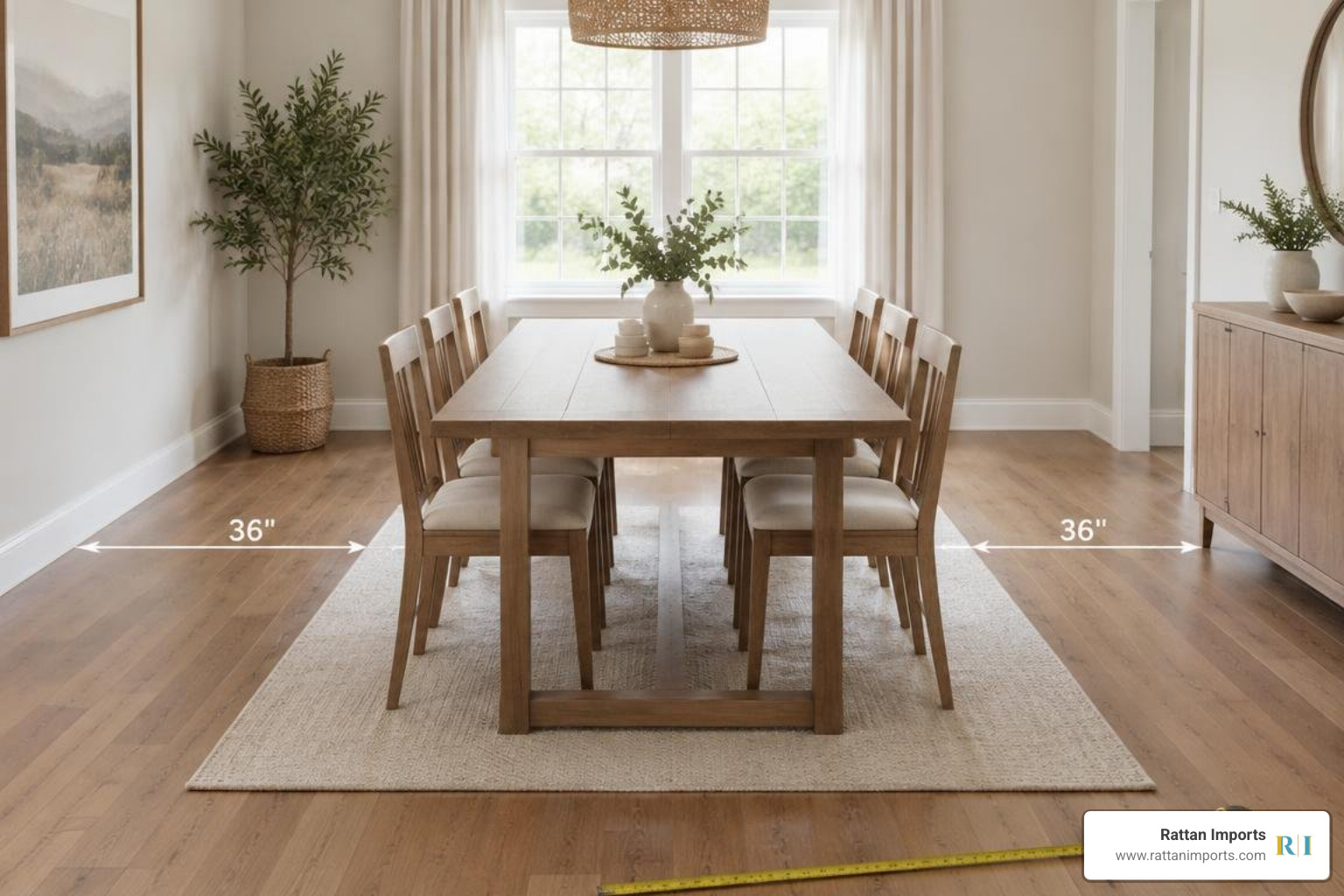
Accurate spatial planning ensures your dining room remains functional, visually balanced, and easy to navigate. Always maintain at least 36 inches (approximately 90 cm) between the edge of your table and any wall, buffet, or surrounding furniture piece. For primary walkways and busy routes leading to the kitchen, expand this buffer to 42 to 48 inches to prevent bottlenecking when entertaining.
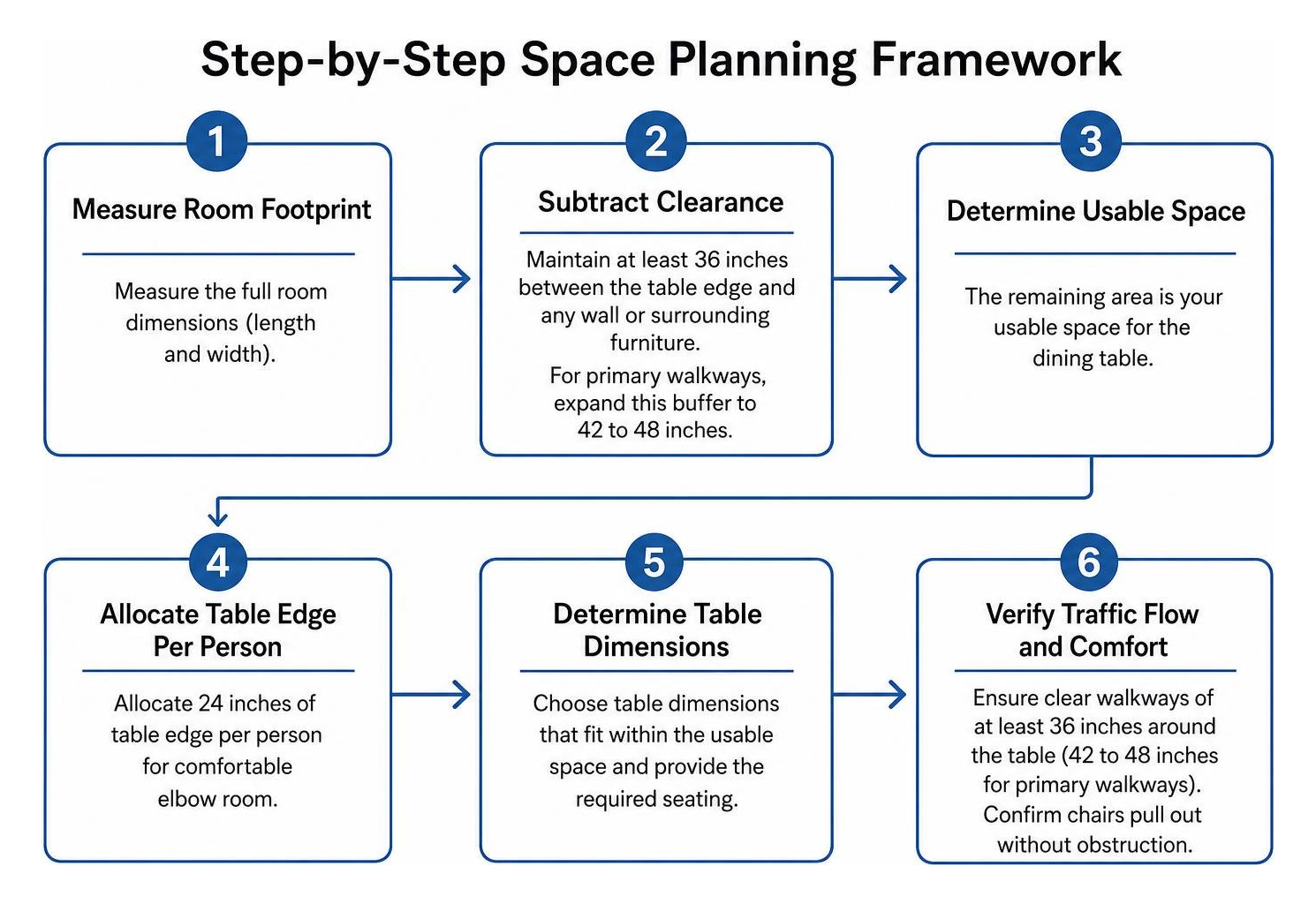
Sizing Your Dining Room Furniture for Traffic Flow and Comfort
When calculating table size, allocate 24 inches of table edge per person for comfortable elbow room, plus at least 12 inches of depth for dinnerware place settings.
- Small Spaces (4-Seaters): Best paired with 36-to-48-inch round tables or compact drop-leaf units that maintain open sightlines.
- Family Everyday (6-Seaters): Flourish with 60-to-72-inch rectangular designs that balance daily meals and homework sessions.
- Entertaining Suites (8+ Seaters): Require tables 84 to 96 inches long, complemented by inspiring stylish modern dining room ideas to balance generous proportions across open-concept layouts.
Complete Sets vs Buying Individual Dining Pieces
Purchasing a complete dining set guarantees uniform wood stains, matching undertones, and perfectly aligned proportions. It eliminates design guesswork and often delivers better bundled pricing for comprehensive room updates.
Conversely, pairing a standalone table with distinct contemporary modern dining chairs creates an inviting, collected-over-time aesthetic with layered textures and personalized design appeal.
Materials, Durability, and Construction Comparison
Selecting the right construction material ensures your investment resists daily wear and tear while matching your home's overarching design story.
| Material | Durability Rating | Maintenance Needs | Aesthetic Profile |
|---|---|---|---|
| Solid Oak & Hardwood | Exceptionally High | Periodic dusting, annual conditioning | Classic, warm, natural wood grain |
| Natural Rattan & Wicker | High | Vacuuming with brush attachment | Coastal, organic, textured |
| Veneer over Engineered Wood | Moderate | Wipe clean; protect from standing liquids | Clean, versatile, contemporary |
| Sintered Stone / Ceramic | High (Scratch & Heat Resistant) | Simple damp cloth cleaning | Modern, sleek, architectural |
Caring for Different Dining Room Furniture Materials
To keep timber lustrous and resilient, dust regularly with a soft microfiber cloth and treat with non-silicone wood polish semi-annually. Protect natural finishes with coasters, trivets, and heat-resistant placemats to prevent white heat rings. For handcrafted, woven natural wicker tables, brush away crumbs using a soft-bristle attachment and wipe lightly with a slightly damp cloth to keep woven fibers supple and clean.
Upholstery and Ergonomic Seating Choices
To extend post-dinner conversations, pair supportive table silhouettes with plush upholstered dining chairs. High-performance fabrics resist spills and stains, while tailored classic end chairs with arms add refined comfort and dignified visual presence to the head of the table.
Styling, Pricing, Financing, and Regional Delivery Options
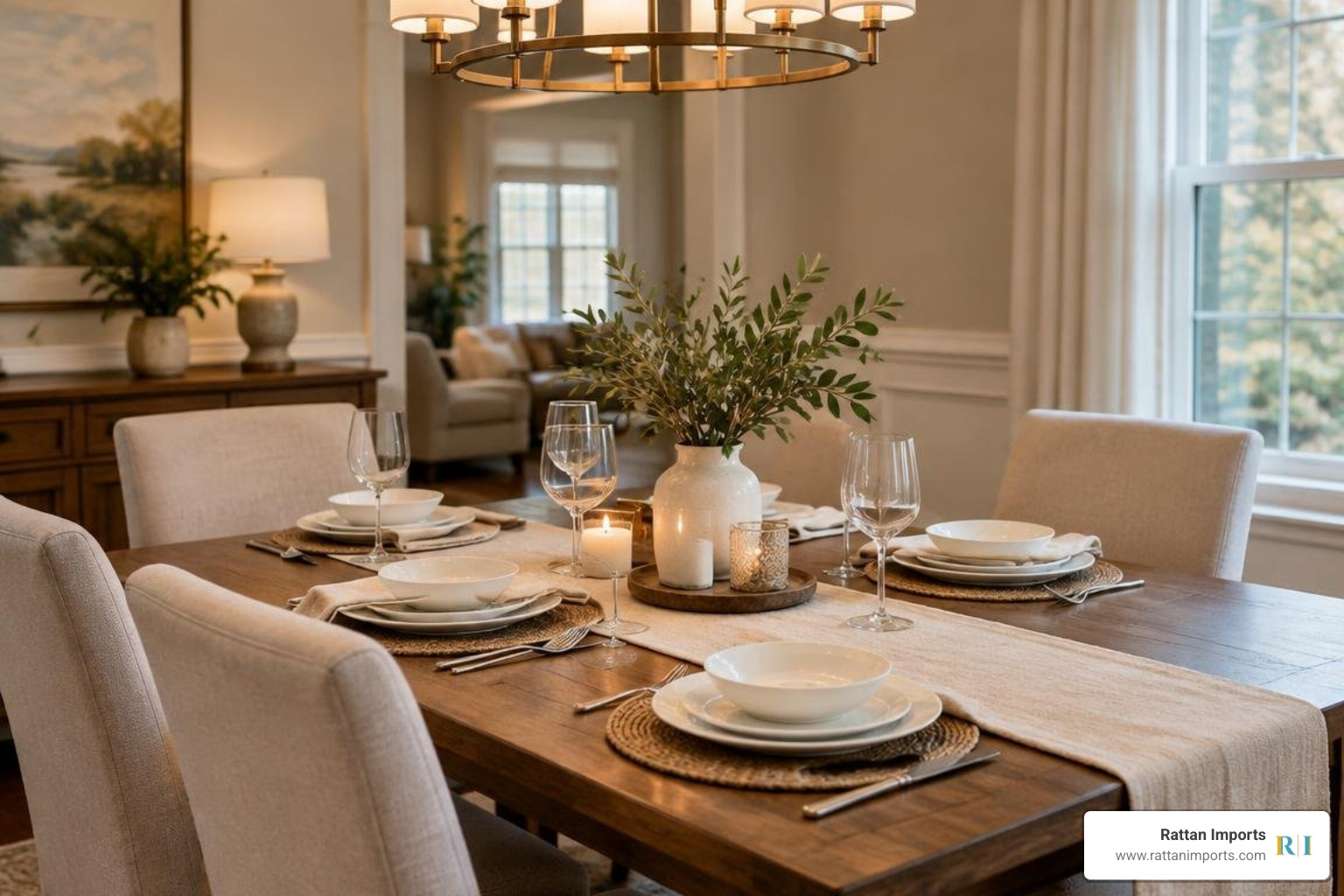
To elevate your dining room and create an inviting atmosphere for guests:
- Center an area rug beneath the table, extending at least 24 inches past the table perimeter so chair legs stay securely on the rug when pulled out.
- Hang chandeliers or pendant fixtures 30 to 36 inches above the table surface for warm, glare-free illumination that frames the setting.
- Keep centerpieces low and organic to preserve cross-table sightlines during lively dinner conversations.
Budgeting, Price Ranges, and Financing Plans
Dining suites generally fall into three primary price tiers based on construction quality, scale, and materials:
- Entry to Casual ($450 – $900): Functional 3-to-5-piece everyday casual and counter-height sets constructed from engineered wood and practical veneers.
- Mid-Tier Heritage ($1,000 – $2,200): Solid wood 5-to-7-piece trestle, pedestal, and gathering sets featuring drop leaves, artisan joinery, and upholstered chairs.
- Premium Collections ($2,300 – $4,500+): Large 7-to-9-piece dining sets with expanding tables, handcrafted armchairs, matching sideboards, and luxury finishes.
Flexible 48-month no-interest financing options can help spread costs into manageable monthly installments without straining your household budget. When shopping with us, our comprehensive price guarantee policy ensures exceptional long-term value alongside identity theft protection for complete peace of mind.
Showrooms, Regional Availability, and Delivery Services
When ordering furniture, clarify shipping methods and transit windows. We provide free shipping across the mainland United States, packaging and inspecting every piece carefully before transit. Whether you choose curbside freight or professional room-of-choice placement, clear your entryways, hallways, and stairwells in advance to ensure smooth delivery and seamless room setup.
Frequently Asked Questions About Dining Furniture
How much clearance space is needed around a dining table?
Leave a minimum of 36 inches (90 cm) between the table edge and walls or other furniture pieces to allow chairs to slide out comfortably and let diners stand up effortlessly. In high-traffic zones or pathways leading directly to the kitchen, leave 42 to 48 inches for uninhibited movement.
What are the benefits of adding a bench to a dining set?
A dining bench saves valuable floor space by tucking neatly underneath the table when not in use. It also adds seating flexibility for children, accommodates extra guests during holiday gatherings, and creates an informal, open aesthetic in modern homes.
How do I protect upholstered dining chairs from stains?
Choose performance textiles treated with liquid-repellent and stain-resistant finishes. Address accidental spills immediately by blotting gently with a clean, dry microfiber cloth rather than rubbing vigorously, and vacuum upholstered surfaces regularly with a soft upholstery brush attachment.
Conclusion
Your dining set serves as the centerpiece for holiday meals, quiet breakfasts, and memorable conversations with friends and family. By balancing room clearance, table configurations, and durable craftsmanship, you can design an inviting dining space built for everyday living and enduring beauty. To bring timeless character and craftsmanship into your home, explore premium home furniture collections today.