



Find a Dining Table That Fits How You Live
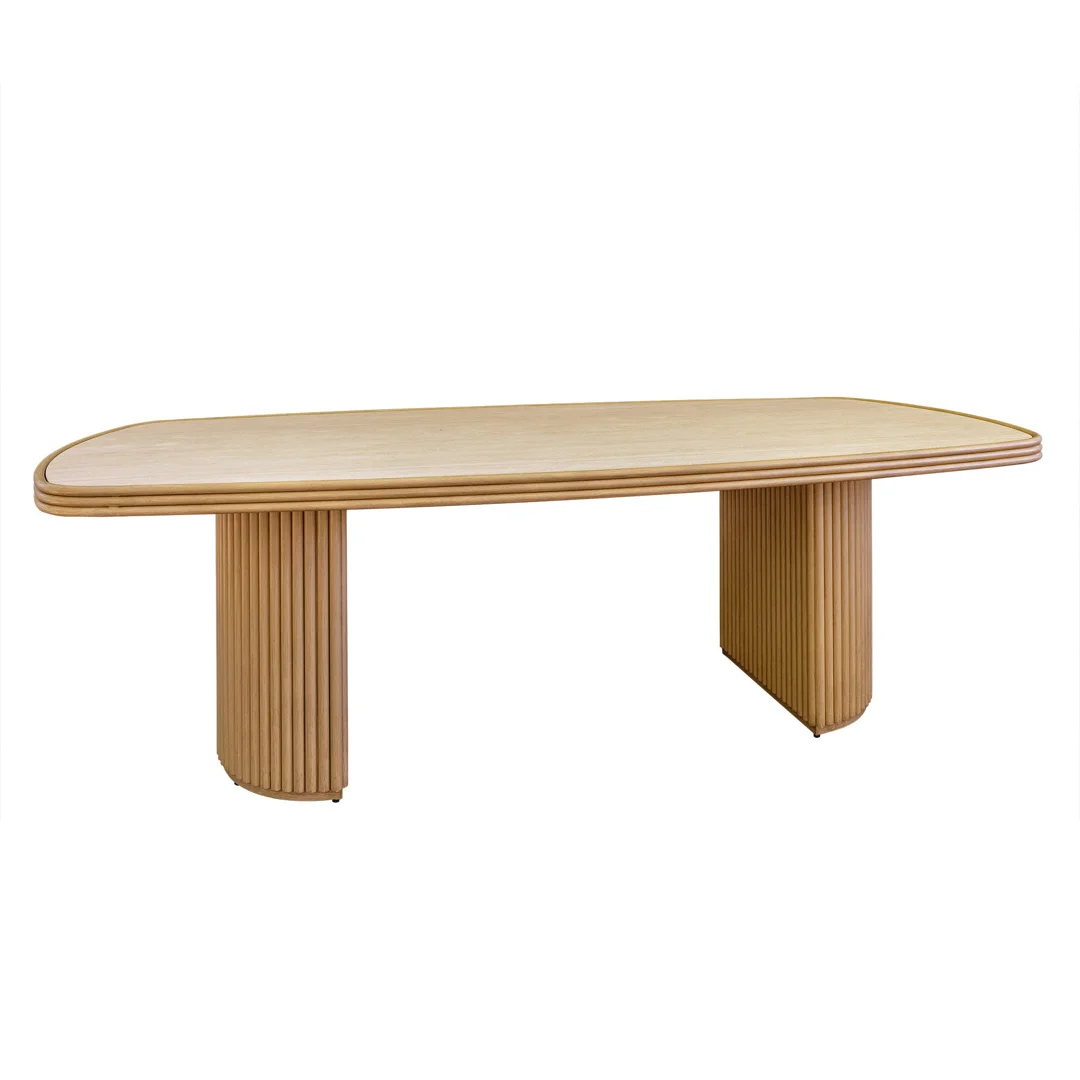
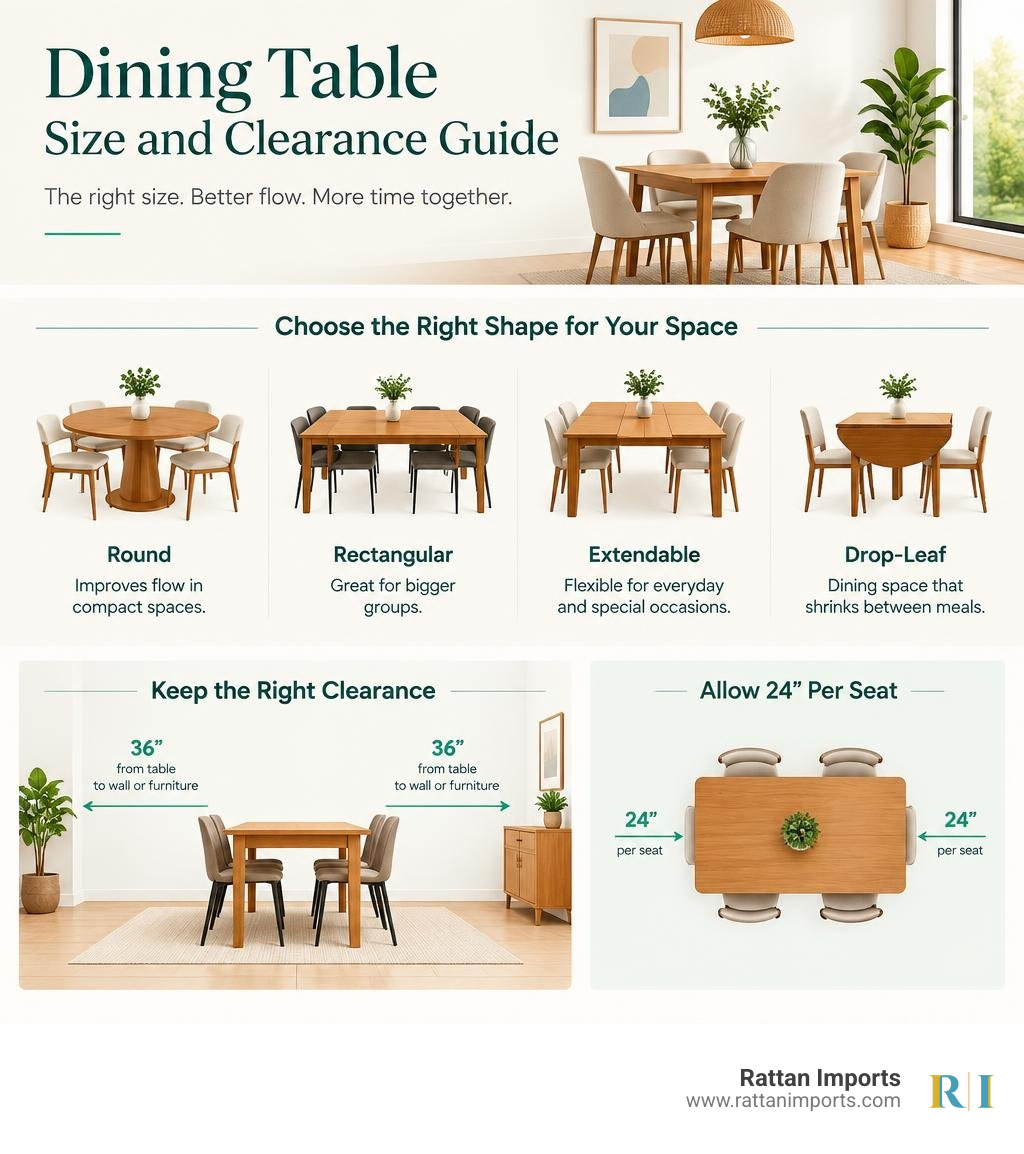
The best Dining room tables match your room size, daily routine, and design style. Choose a round or pedestal table to improve flow in a compact space, a rectangular or extendable table for bigger groups, and a drop-leaf design when you need dining space that can shrink between meals. For comfortable use, allow roughly 36 inches between the table and walls or other furniture, plus 24 inches of table edge per seat.
A good table is more than a place for dinner. It may also be a laptop desk, homework station, game table, or the center of a long evening with friends. Whether you are exploring creative apartment dining room ideas or looking for inspiring dining room ideas for a complete renovation, this roundup covers smart shapes, durable materials, practical heights, and stylish options for spaces ranging from small apartments to busy family homes. For a broader look at how dining furniture has evolved, the dining table entry on Wikipedia offers useful historical context.
I am Nino Russo Alesi, founder of Rattan Imports, with a background in hospitality and customer service that shapes how I help clients select Dining room tables for real life, not just for a photo. My work centers on helping people create beautiful, functional spaces for everyday meals and meaningful time together.
Choosing the Best Dining Room Tables for Every Space and Lifestyle
Selecting the right dining table begins with a clear look at your floor plan and how your household actually operates day-to-day. As of September 2026, modern homes demand furniture that wears multiple hats. A dining surface is rarely just for eating; it is an impromptu home office, a craft station for messy toddlers, a board-game arena, and the primary gathering point for hosting friends and family. For a broader historical perspective on how this essential piece of furniture has evolved, the dining table entry on Wikipedia offers useful context.
To make sure your space feels comfortable rather than cramped, start by measuring your room dimensions carefully. As a fundamental rule of thumb, you need at least 36 inches of clearance between the edge of your table and the nearest wall or surrounding furniture piece. This allows diners to pull their chairs out smoothly and leaves an unobstructed walkway for foot traffic. When planning place settings, allocate approximately 24 inches of table width and 12 to 18 inches of elbow room per person so nobody feels crowded during dinner.
If you have a growing family, look for durable, easy-to-clean finishes and softened corners that prevent bumps and scrapes. For smaller homes or multi-functional open-concept layouts, versatile options discussed in our rattan dining room set complete guide demonstrate how natural textures and sensible silhouettes can brighten living areas without overwhelming them.
Budget expectations vary widely based on construction, size, and material quality. Solid-wood tables and handcrafted designs typically range from $400 to well over $1,500, with closeout deals or seasonal sales frequently knocking $75 to nearly $300 off retail prices. Investing in sturdy joinery and sustainable materials ensures your furniture can effortlessly transition from weeknight homework hubs to celebratory weekend feasts for decades to come.
Key Table Shapes and How They Impact Functionality
The silhouette of your dining table directly influences room traffic, spatial balance, and the social atmosphere of your meals. Finding the ideal shape requires harmonizing your room's architectural proportions with your entertaining needs.

Round and Pedestal Dining Room Tables
Round tables excel at fostering intimate, democratic conversation because everyone faces the center—completely eliminating the classic "head of the table" dynamic. Because they lack sharp corners, round profiles soften the lines of boxy rooms and facilitate fluid traffic paths in tight dining nooks.

A central pedestal base provides unmatched convenience by freeing up perimeter legroom, ensuring nobody gets stuck straddling an awkward corner post. If you appreciate organic warmth and compact silhouettes, exploring a rattan round table is a wonderful way to bring airy, handcrafted coastal vibes into breakfast corners and smaller modern dining spaces.
Rectangular and Extendable Dining Room Tables
For elongated rooms and larger households, rectangular dining tables remain the gold standard. They mirror the natural lines of traditional dining rooms and provide expansive surface real estate for generous serving dishes and multi-course meals.
When you frequently host extended family or dinner parties, an extendable design with drop-in leaves lets you scale your seating capacity from 6 to 10 guests effortlessly. Pair these expansive setups with durable, textured furniture like our wicker dining room sets to introduce inviting warmth, tactile character, and long-lasting resilience to formal and casual entertaining zones alike.
Drop-Leaf and Space-Saving Designs
Drop-leaf and gateleg tables are the ultimate problem solvers for urban apartments, tiny homes, and dual-purpose living rooms. With foldable hinged side panels, these tables can sit flush against a wall as a slim console or work desk during the day, expanding into a full-sized dining setup in seconds when guests arrive. By adapting to your changing routine, drop-leaf designs offer full-size utility while preserving precious square footage.
Comparing Material Durability: Wood, Glass, Cane, and Metal
Choosing the right material ensures your dining table can withstand daily use, spills, and seasonal temperature changes while complementing your home's aesthetic.
| Material | Durability Level | Maintenance Needs | Best Suited For | Key Aesthetic |
|---|---|---|---|---|
| Solid Hardwood | Exceptionally High (15–20+ year lifespan) | Occasional oiling or waxing; wipe spills promptly | Busy families, daily multi-purpose use | Warm, organic, timeless |
| Tempered Glass | Moderate to High (scratch-resistant, break-resistant) | Frequent wiping with glass cleaner to remove fingerprints | Small rooms needing visual lightness | Sleek, modern, airy |
| Cane & Wicker | High (naturally pliable and resilient) | Regular dusting, damp cloth wipe-downs | Coastal, bohemian, and transitional decor | Textured, artisanal, lightweight |
| Natural Bamboo | Very High (dense tensile strength, eco-friendly) | Gentle cleaning with mild soap and water | Sustainable living, everyday family meals | Clean-lined, breezy, modern natural |
| Powder-Coated Metal | Maximum (impact- and stain-proof) | Minimal; wipe clean with damp cloth | Industrial spaces, outdoor dining zones | Urban, edgy, minimalist |
For those drawn to organic elements and tropical artistry, a cane furniture dining table offers structural integrity alongside woven warmth. Similarly, choosing an eco-conscious bamboo dining table provides exceptional tensile strength and scratch resistance, giving high-traffic family spaces an easy-to-maintain, sustainable foundation.
Dining Height Differences: Standard, Counter, and Bar Tables
Matching table height to your room layout and social habits is just as important as picking the right tabletop shape.

- Standard Height (28" to 30"): Paired with 18-inch seat heights, standard tables offer the most ergonomic, comfortable posture for formal meals, long dinner conversations, and seated computer work. They accommodate guests of all ages, including young children and seniors.
- Counter Height (34" to 36"): Paired with 24-inch stools, counter-height tables create a casual, open aesthetic that bridges food preparation and dining. They work seamlessly adjacent to open-concept kitchen islands.
- Bar Height (40" to 42"): Designed for 30-inch barstools, bar tables create a lively, pub-style atmosphere that allows standing and seated guests to converse comfortably at eye level.
To refine the overall look, pairing these varying heights with ergonomic modern dining room chairs creates a balanced, cohesive layout for everyday dining and weekend socializing.
Styling and Decorating Your Dining Space
Once you have secured your ideal table, thoughtful styling brings the whole room to life.
- Focal Lighting: Anchor your table by hanging a statement pendant or chandelier roughly 30 to 36 inches above the tabletop. Centering the fixture highlights the table's shape and casts a warm, inviting glow over meals.
- Sculptural Seating: Introduce visual contrast by pairing clean-lined wooden or glass tables with woven cane dining chairs. The woven textures break up hard surfaces and add breezy comfort.
- Proportional Centerpieces: Keep decorative bowls, ceramics, or floral arrangements scaled appropriately. A good centerpiece enhances your setting without obstructing cross-table sightlines.
- Rugs and Color Pops: Place a low-pile area rug underneath the set, ensuring it extends at least 24 inches beyond the tabletop so chair legs remain level when pulled out. Layer rich blues, warm terracottas, or metallic accents through runners and dinnerware to complete the design.
Frequently Asked Questions About Dining Tables
How much clearance space is needed around a dining table?
You should maintain at least 36 inches of open space between the edges of your dining table and surrounding walls, sideboards, or doorways. This clearance allows guests to slide chairs out easily and provides a comfortable pathway for walking around the room while people are seated. In high-traffic zones, expanding that clearance to 42 or 48 inches creates an even more relaxed, spacious environment.
Why are some furniture prices hidden or listed as MAP online?
When shopping online, you may occasionally see products that prompt you to call or initiate a live chat to view the price. This occurs because certain manufacturers enforce a Minimum Advertised Price (MAP) policy. Under these agreements, retailers are legally prohibited from displaying discounts publicly below a set baseline. Contacting the retailer directly via phone or digital chat allows them to provide private, unadvertised promotional quotes and special bundle savings.
What is the most durable table material for families with young children?
Solid hardwoods (such as oak, walnut, and ash) and natural bamboo are among the most durable materials for homes with young children. When sealed with high-grade protective topcoats, they resist liquid spills, scratches, and everyday impacts. Choosing designs with rounded corners also improves safety for toddlers running through dining areas.
Conclusion
A well-crafted dining table serves as the heart of your home, grounding your interior design while effortlessly supporting daily routines, family meals, and joyful gatherings. At Rattan Imports, we take immense pride in crafting premium furniture pieces that honor time-tested artisanal craftsmanship. Sourced from the finest natural materials in Southeast Asia and assembled right here in the U.S., our collections combine enduring durability with effortless style.
Take advantage of our seamless free shipping across the U.S. mainland and shop with confidence through our customer-first price guarantee. Explore our collections today to find the perfect dining table tailored to your home and lifestyle.