



What Is Hand Woven Rattan (And Why It's Worth Knowing About)

Hand woven rattan is a natural material made from the flexible stems of rattan palms, shaped and interlaced by skilled artisans using traditional weaving techniques. Here's a quick overview:
- Material: Rattan palm stems — solid inside, unlike bamboo — making them strong and flexible
- Process: Harvested, softened, then hand-woven by artisans using techniques passed down through generations
- Origin: Primarily crafted in Southeast Asia, especially Vietnam and Indonesia
- Products: Furniture, baskets, pendant lights, bowls, and decorative accents
- Why it matters: Renewable, biodegradable, durable, and unique — no two pieces are exactly alike
- Design fit: Works across bohemian, minimalist, coastal, and Japandi interiors
There's something different about a piece of furniture made by hand. You can feel it in the texture. You can see it in the small variations of color and grain. That's what sets hand woven rattan apart from mass-produced alternatives.
Rattan has been woven into homes — literally and figuratively — for centuries. Today, it's having a well-deserved moment in modern interiors. And it's not just about looks. It's a genuinely sustainable material that supports skilled artisans and lasts for decades when cared for properly.
This guide covers everything you need to know: how it's made, how to style it, how to care for it, and how to spot quality when you're buying.
I'm Nino Russo Alesi, founder of Rattan Imports, and my background in hospitality and e-commerce has given me a deep appreciation for the kind of craftsmanship and considered design that hand woven rattan brings to a space. In this guide, I'll walk you through everything our team has learned sourcing and delivering these pieces to homeowners and designers across the US.
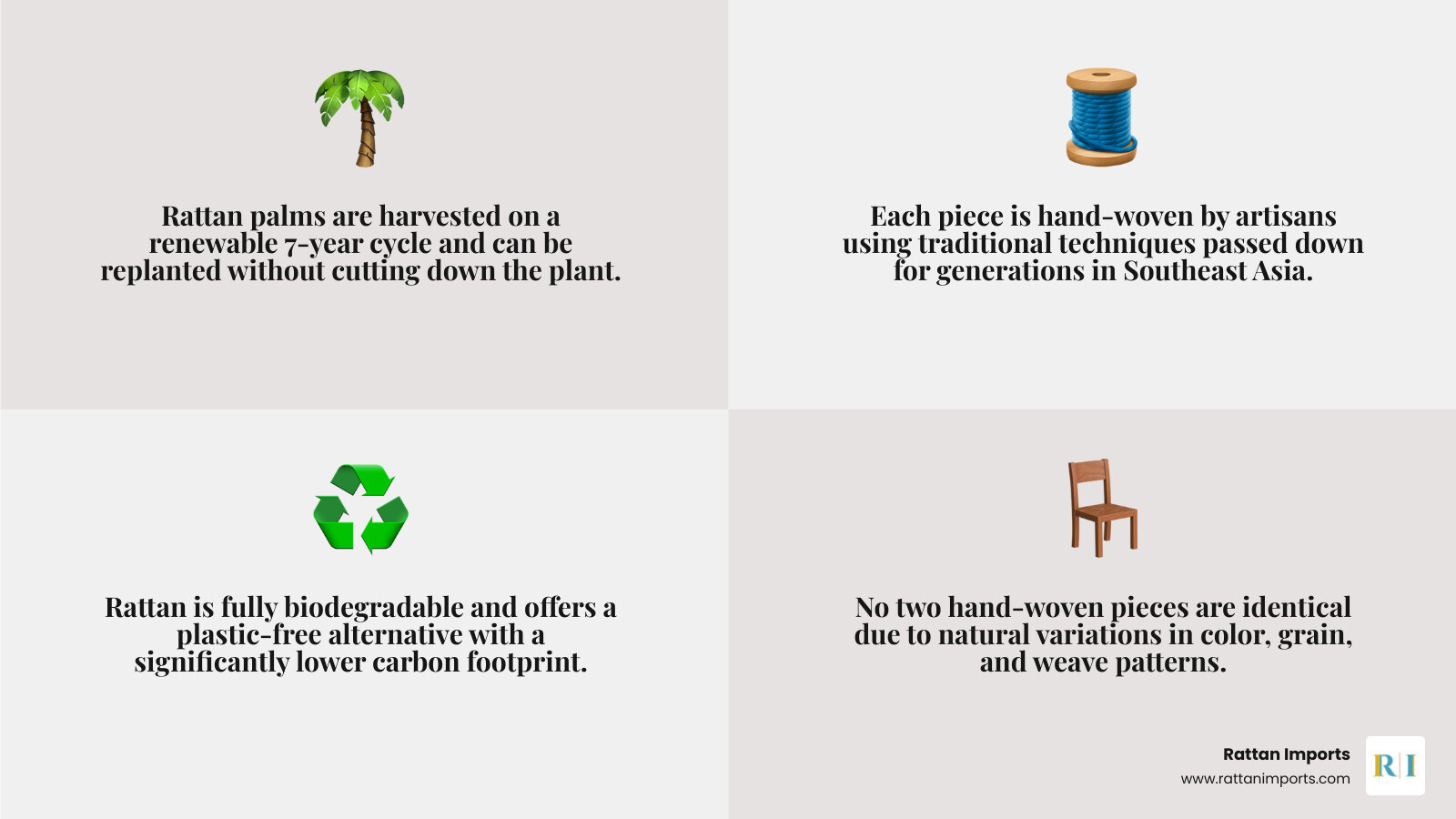
Hand woven rattan terms at a glance:
What is Hand Woven Rattan and How is it Crafted?
To appreciate hand woven rattan, we first have to look at where it comes from. Rattan is not a wood; it is a climbing palm native to the tropical jungles of Southeast Asia. Unlike trees that take decades to mature, this vine-like plant grows rapidly, scaling other trees to reach sunlight.
The crafting process is a labor-intensive art form. Once harvested, the raw rattan poles are cleaned, dried, and sorted. To make them pliable, artisans steam the poles, allowing them to be bent into the beautiful, sweeping curves characteristic of high-quality furniture frames.
The outer skin of the vine is often peeled to create "cane" (used for wrapping joints and weaving open, airy patterns), while the inner core is split into "reed" for dense, textured weaving.
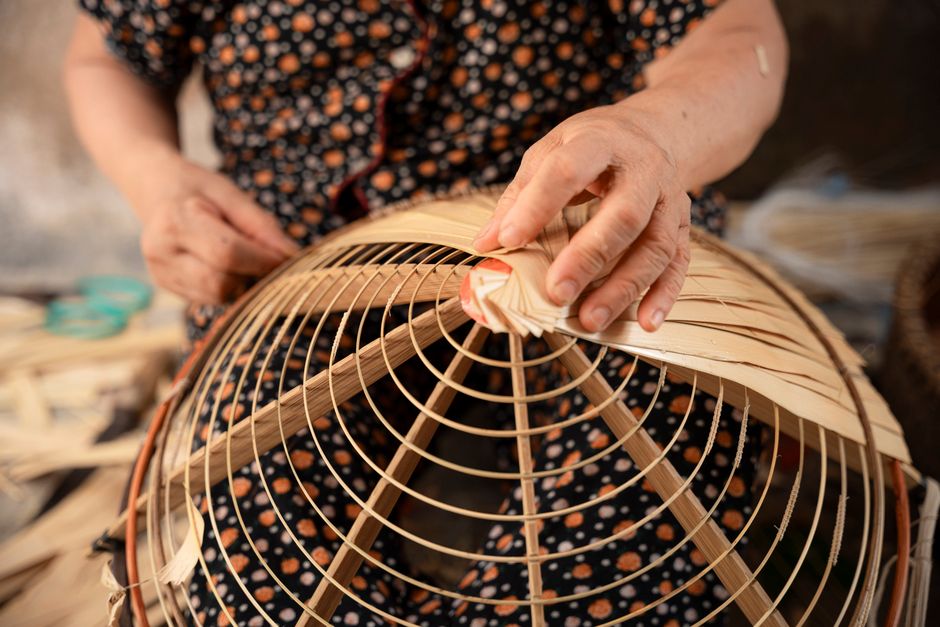
This craft relies heavily on traditional knowledge. In Southeast Asian craft villages, particularly in Vietnam and Indonesia, these weaving techniques are passed down through generations. Every single basket, chair, and light fixture is made in small batches. A single complex piece, like the Jennie Basket – Handwoven Natural Kubu Rattan Storage Basket | Cirebon Rattan Furniture Manufacturer, can take a skilled artisan several hours—or even days—of dedicated manual labor to complete.
The Anatomy of Rattan: Solid Core vs. Bamboo
A common misconception is that rattan and bamboo are the same thing. While they both bring a tropical, natural look to a home, they behave very differently because of their cellular structures.
Bamboo is hollow. If you try to bend a thick piece of bamboo, it will split and crack. Rattan, on the other hand, has a completely solid core. This fibrous, solid interior gives rattan its legendary strength and flexibility. It can be steamed, bent into tight, elegant curves, and hold its structural integrity for decades.
| Material | Core Structure | Flexibility | Best Used For | Natural Variations |
|---|---|---|---|---|
| Rattan | Solid | Extremely High (when steamed) | Heavy furniture frames, intricate woven patterns, lighting | High (natural color and grain shifts) |
| Bamboo | Hollow | Low (rigid and straight) | Structural poles, flooring, scaffolding | Low to Medium |
| Seagrass | Spongy/Soft | High (pliable but lacks structural frame strength) | Soft baskets, rugs, decorative tabletops | Medium (greenish to golden tones) |
Because of these natural variations, every piece of hand woven rattan features its own unique fingerprint. The subtle shifts in shading, minor freckles on the vine, and organic grain patterns ensure that your furniture is truly one-of-a-kind.
The Art of the Hand Woven Rattan Technique
The magic of woven furniture lies in the tension between the material and the maker. When you read About Wicker and Rattan Casual Furniture from Sea Winds Trading Co, you begin to understand that "wicker" is the weaving process itself, while "rattan" is the physical material.
Artisans use several weaving styles to achieve different visual weights. For example, a dense, tight weave provides structural support on seat cushions and heavy baskets. Conversely, open-weave styles—such as the graduated diamond lattice work found on modern pendant lights—allow light to filter through, casting beautiful, geometric shadows across your walls. These graduated patterns transition from tight, supportive weaves at the top to delicate, open lattice work at the bottom, showcasing a level of precision that no machine can duplicate.
Sustainability and Eco-Friendly Benefits of Rattan
As we collectively move toward more conscious consumer habits, sustainability has transitioned from a nice-to-have benefit to an absolute necessity. Fortunately, hand woven rattan is one of the most eco-friendly materials available.
- Rapidly Renewable: Rattan is a wild climbing palm that can be harvested every 7 years without damaging the parent plant or the surrounding forest ecosystem. In comparison, typical hardwoods take 30 to 50 years to mature.
- Forest Preservation: Because rattan needs existing trees to climb, harvesting it actually incentivizes local communities to preserve their rainforests rather than clear-cutting them for timber or agriculture.
- Biodegradable and Plastic-Free: Unlike synthetic plastic wicker, natural rattan is fully biodegradable. Choosing natural fibers reduces the amount of synthetic waste heading to landfills.
- Low Carbon Footprint: The manufacturing process of natural rattan relies almost entirely on manual artisan labor rather than fossil-fuel-burning factory machinery.
By choosing natural rattan over mass-produced plastic or cheap particle-board furniture, you are investing in a product that actively supports forest conservation and sustainable rural economies in Southeast Asia.
Styling Hand Woven Rattan in Modern Interiors
One of the reasons we love hand woven rattan is its ability to instantly inject a warm, earthy vibe into any room. It has a relaxed, lived-in quality that softens the hard edges of modern architecture.

Rattan acts as a visual neutral, but with a major bonus: texture. In interior design, texture is what prevents a neutral space from feeling flat or sterile. The organic, woven surfaces of rattan catch the light differently throughout the day, bringing depth and movement to your home.
If you want to customize your look further, you can even paint or stain your pieces. To learn how to select the perfect hue, check out our guide on Rattan Revival: Choosing the Best Paint Colors.
Integrating Hand Woven Rattan into Diverse Design Styles
Rattan is incredibly versatile. It doesn't lock you into a single aesthetic; instead, it adapts to its surroundings:
- Bohemian: Pair braided rattan sofas and peacock chairs with layered textiles, global accents, and plenty of houseplants for a lush, creative sanctuary.
- Minimalist: In a clean, modern space, a single hand-woven rattan pendant light or accent stool adds a touch of organic warmth without cluttering the visual field.
- Coastal: Combine light, natural rattan with soft blues, crisp whites, and slipcovered sofas to channel an effortless, beachside resort feel.
- Japandi: This hybrid style blends Japanese minimalism with Scandinavian warmth. Rattan's simple, natural forms fit perfectly here, especially when paired with light woods and matte black accents.
If your existing rattan pieces don't quite match your shifting style, a quick makeover might be all you need. Discover our expert tips in Paint It Perfect: Best Colors for Wicker Furniture Makeovers.
Popular Rattan Products for Home Decor
From statement furniture to small accents, there are endless ways to bring this material into your home:
- Pendant Lights: These act as sculptural art pieces. When lit, their open-weave patterns project gorgeous, warm shadows.
- Storage Baskets: Perfect for organizing blankets, toys, or magazines while adding natural texture to a corner.
- Accent Chairs: A classic choice for sunrooms, reading nooks, or living room seating.
- Dining Sets: Bring casual elegance to your dining room or covered patio. For inspiration on creating the ultimate dining experience, read about Al Fresco Fabulousness with Outdoor Wicker Dining Table and Chairs.
Care, Maintenance, and Repair of Rattan Furniture
Natural rattan is incredibly durable and can last for decades, but it does require a little bit of love to keep it looking its best. Because it is a natural plant fiber, it reacts to its environment.
Here are our top care and maintenance tips:
- Regular Dusting: Dust can settle into the crevices of the weave. Use a soft-bristled brush, a vacuum cleaner with a brush attachment, or a dry microfiber cloth to keep it clean.
- Moisture Control: Avoid exposing natural rattan to heavy rain or high humidity. If it does get wet, make sure it dries out completely in a well-ventilated area to prevent mold.
- The Morning Sun Bath: Periodically placing your rattan baskets or small furniture items in the gentle morning sun for an hour or two helps keep the fibers strong and naturally prevents mold growth. However, avoid leaving them in intense, direct afternoon sunlight for prolonged periods, as this can dry out the fibers and cause them to become brittle.
- Spill Cleanup: If you spill something, wipe it immediately with a slightly damp cloth. Avoid harsh chemical cleaners, which can strip the natural oils and discolor the fibers.
If your favorite heirloom piece has suffered some wear and tear over the years, don't panic. You can learn how to restore it with our guide on How to Expertly Repair Rattan Furniture in Atlanta. And if you fancy a completely fresh look, you can follow our step-by-step instructions on How to Paint Rattan Furniture in 5 Easy Steps or read up on Natural Beauty: How to Spray Paint Wicker for a Natural Finish.
What to Look For When Buying High-Quality Rattan
Not all rattan is created equal. When shopping for authentic, high-quality hand woven rattan, keep these key indicators in mind:
- Tightness of the Weave: High-quality weaving should feel firm and secure. If the strands are loose, unevenly spaced, or easily shifted when pressed, the piece may unravel over time.
- Frame Stability: Give the furniture a gentle shake. High-quality rattan furniture is built on thick, sturdy rattan frames (or solid wood/metal frames for certain designs) and should feel solid, not wobbly.
- Smooth Joints: Look at the joints where the rattan poles meet. In premium furniture, these areas are wrapped tightly with split cane to conceal screws and add structural reinforcement.
- Natural Color Variations: Uniform, flat color often indicates synthetic materials or heavy, low-grade industrial staining. Authentic natural rattan showcases beautiful, organic shifts in tone.
To dive deeper into identifying heirloom-quality woven pieces, explore The Ultimate Guide to Antique Wicker Furniture for Your Home.
Frequently Asked Questions about Rattan
Can handwoven rattan furniture be used outdoors?
Natural rattan is best suited for indoor use, sunrooms, or fully covered outdoor spaces like porches and verandas. Because it is a natural plant fiber, prolonged exposure to direct rain, heavy dew, and intense sunlight will break down the fibers over time. If you want a similar look for an open deck or patio, we recommend synthetic resin wicker, which is specifically engineered to withstand harsh outdoor weather.
How do you clean a handwoven rattan basket?
For routine cleaning, simply wipe the basket with a dry microfiber cloth or use a soft vacuum brush attachment. For sticky spills, wipe the area with a soft cloth dampened with mild soapy water (use a very small amount of gentle dish soap). Never submerge natural rattan in water, and always allow it to air dry completely in a well-ventilated space.
What is the difference between rattan and wicker?
Rattan is the actual material—the natural climbing palm vine itself. Wicker is the weaving technique used to create the item. Therefore, a basket can be made of wicker (the weave) using rattan (the material). Wicker items can also be woven from other materials, such as bamboo, seagrass, or synthetic plastics.
Conclusion
There is an undeniable charm in items made by hand. Hand woven rattan brings a sense of history, craftsmanship, and organic warmth into our modern living spaces, reminding us of the beauty of the natural world.
At Rattan Imports, we are proud to be Rattan Furniture Specialists. We specialize in premium home decor and furniture, carefully sourced from the finest artisan communities in Southeast Asia and assembled right here in the U.S.
We believe that decorating your home should be a joyful, stress-free experience. That's why we offer free shipping across the U.S. mainland, identity theft protection, and our ironclad Rattan Imports Price Guarantee. We are dedicated to providing exceptional customer service and clear communication every step of the way.
Ready to bring the timeless elegance of hand-woven design into your home? Explore our collections today and find the perfect piece to anchor your space.