



What Is an Ottoman? Core Functions and Modern Uses
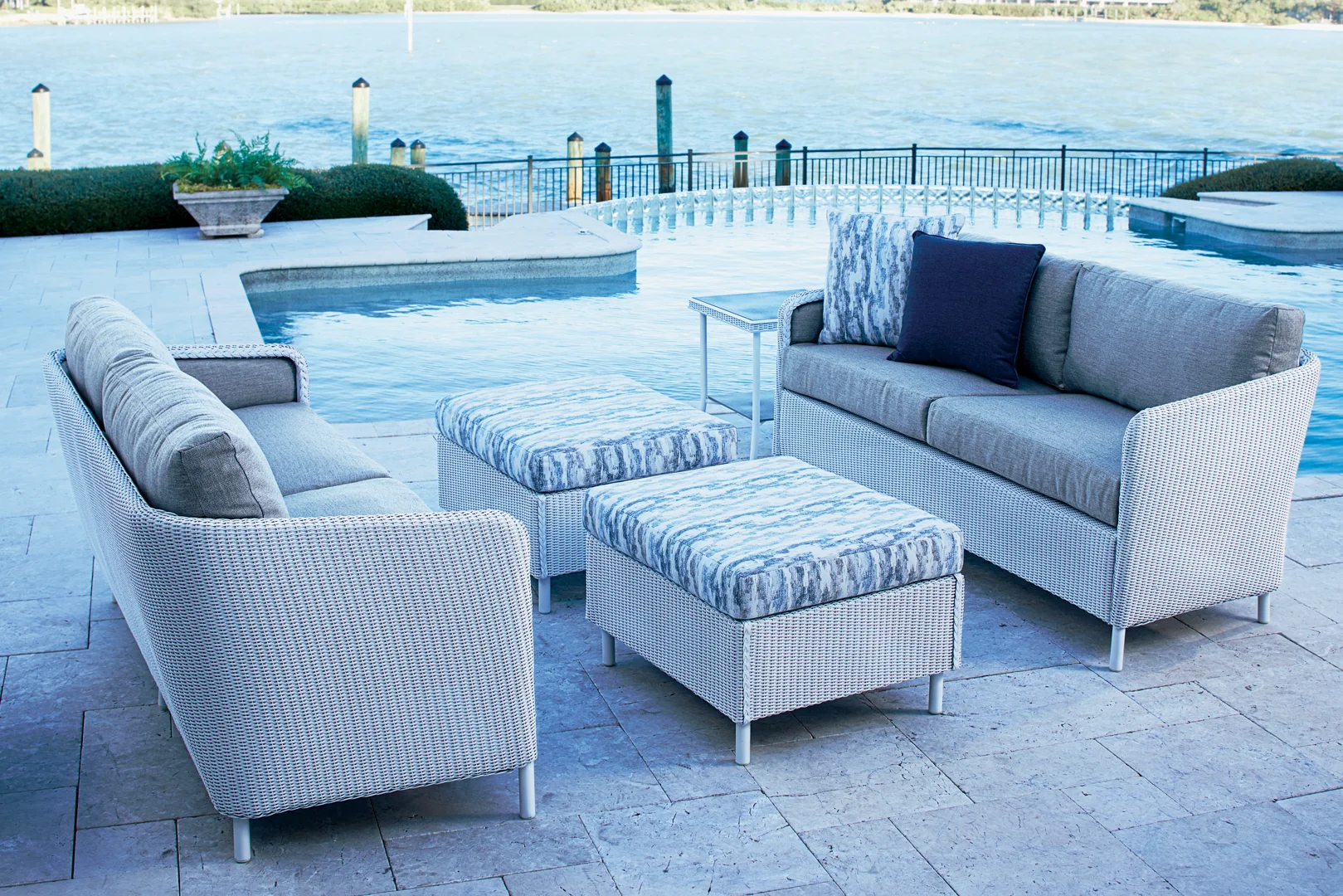
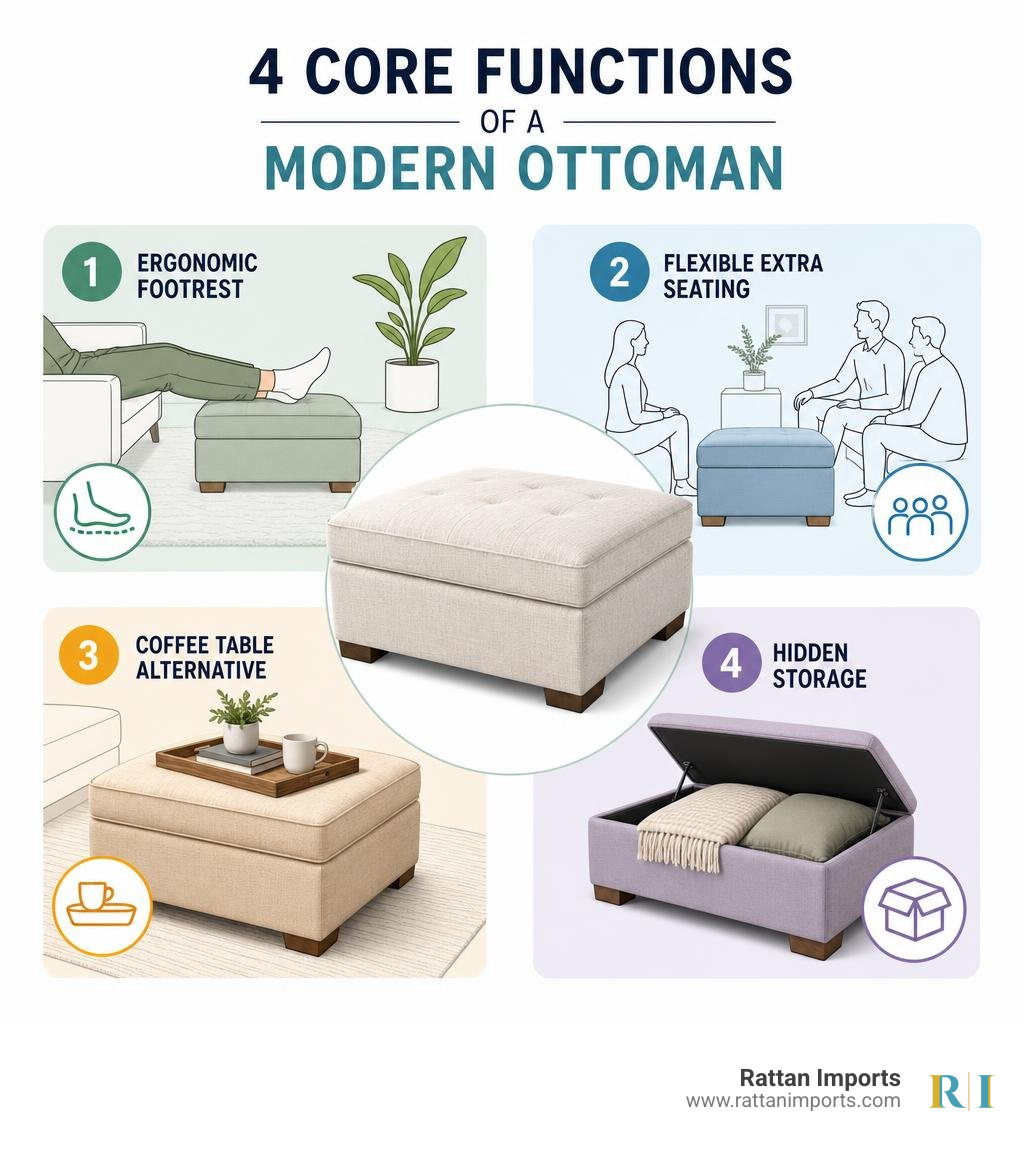
An ottoman is a backless, armless piece of upholstered furniture designed to maximize space and comfort. While traditionally used to rest your feet, a modern ottoman acts as a multi-functional anchor in living rooms and bedrooms by serving four key roles:
- Ergonomic Footrest: Aligns with sofa seat cushions to support tired legs and improve posture.
- Flexible Extra Seating: Offers movable, sturdy guest seating without crowding sightlines.
- Coffee Table Alternative: Provides a soft surface that safely holds serving trays, books, and drinks.
- Hidden Storage: Features hollow interiors with hinged or removable lids to stow throws, pillows, and clutter.
I am Nino Russo Alesi, founder of Rattan Imports, where I draw on my Italian design heritage and customer hospitality background to help designers and homeowners select the right ottoman for their living spaces. In this guide, we will break down the history, distinct styles, material choices, and sizing rules you need to style your space with confidence.
History and Etymology: Why Is It Called an Ottoman?
To understand how this versatile accent became a staple of Western interiors, we have to travel back several centuries. The term itself is an anglicisation of Osman I, the founder of the ruling dynasty that built the historic empire. According to historical records of the Ottoman Empire, the state grew into a massive global power spanning approximately 5,200,000 km² (2,000,000 sq mi) at its peak in 1683, with a population reaching around 30 million people by 1600.
In traditional Turkish homes, residential seating took the form of a low, wooden platform lined with lavish rugs and cushion clusters that wrapped around three walls of a room. When Western travelers and merchants encountered these plush, low-level platforms, they imported the concept back to Western Europe in the 18th century.
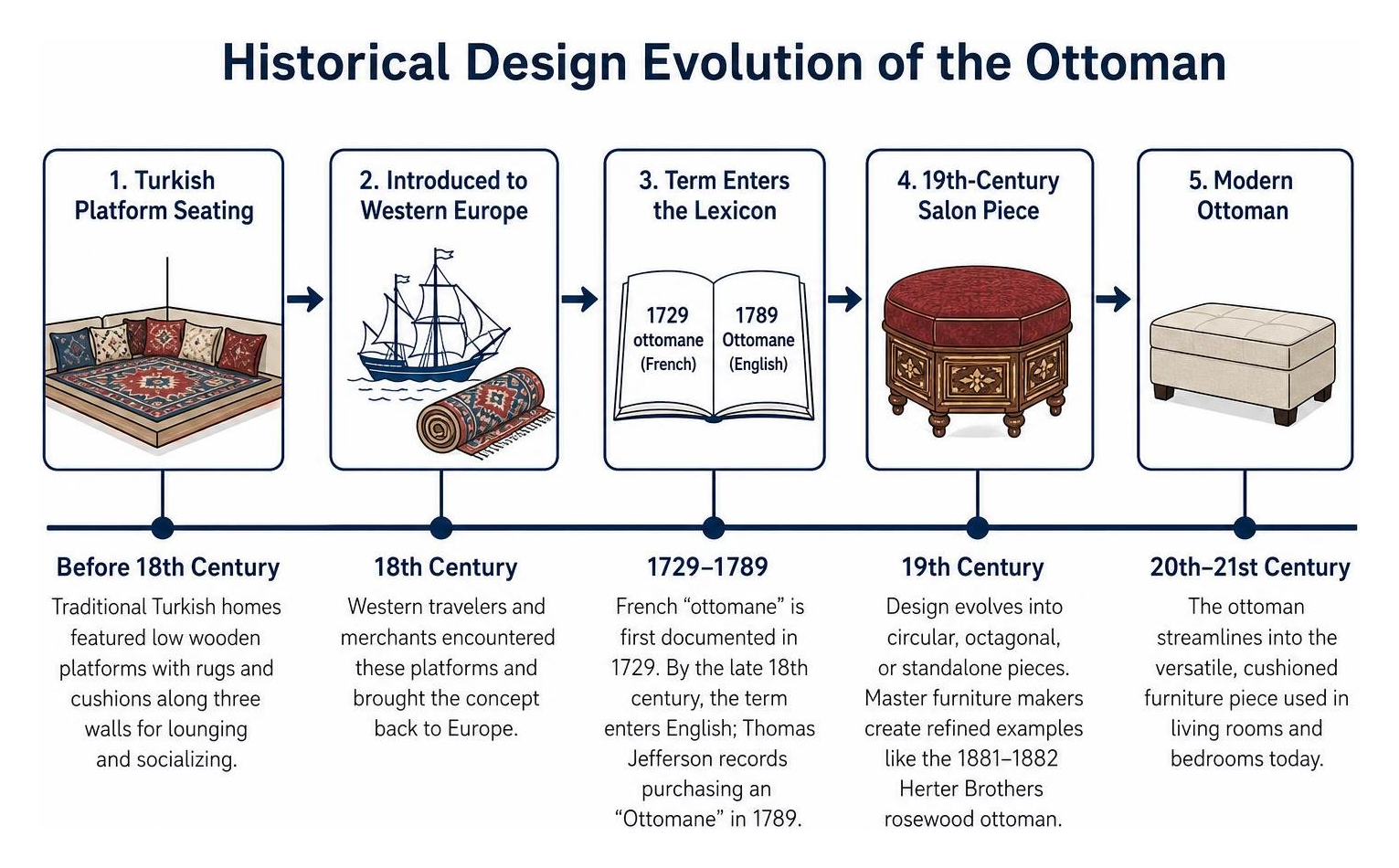
As noted by the etymological origins of the word, the earliest documented usage of the French word ottomane dates back to 1729. By the late 18th century, the term entered the English lexicon. In fact, the first recorded use of "Ottomane" in English appears in Thomas Jefferson's 1789 memorandum book, where he recorded purchasing an "Ottomane of velours d'Utrecht."
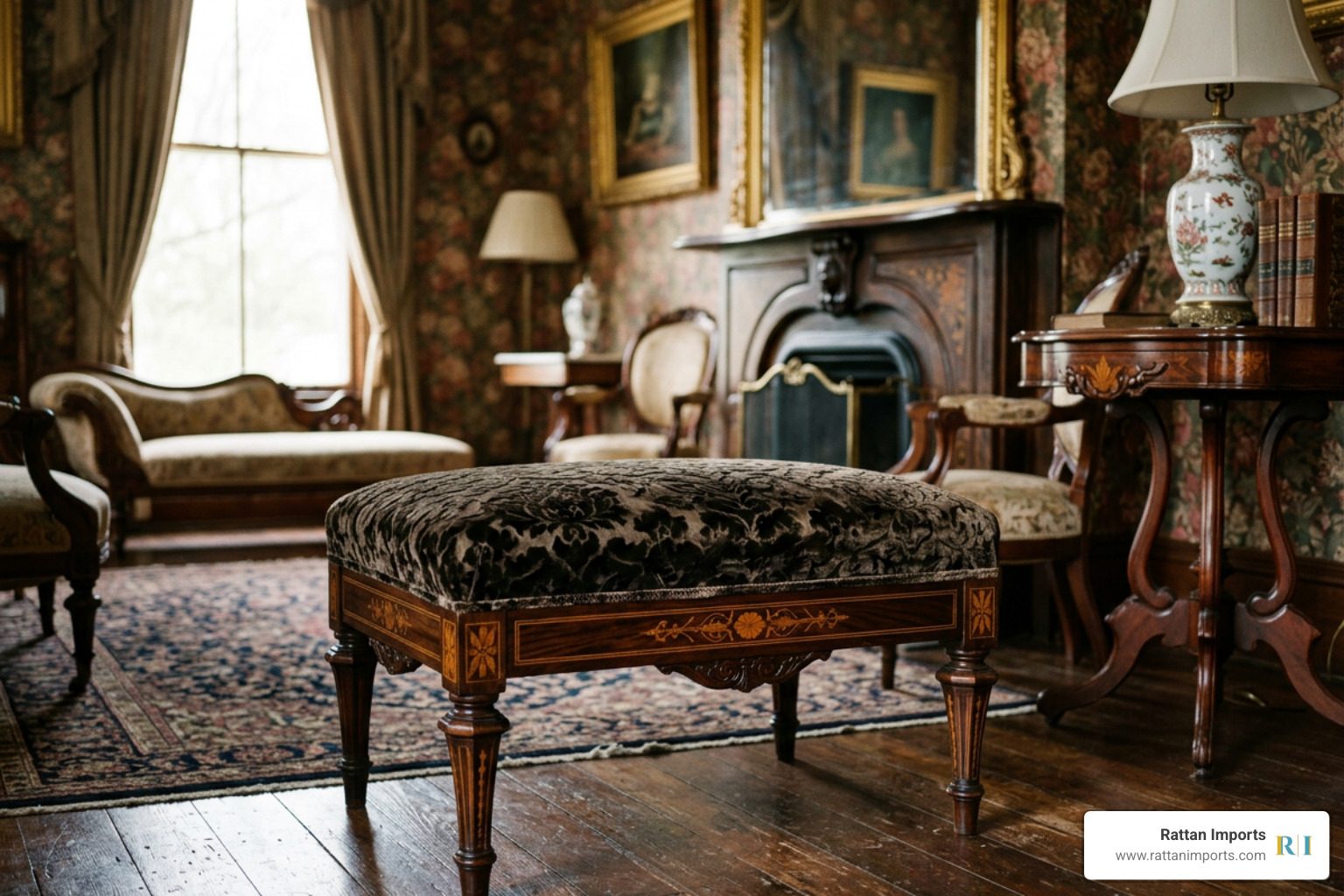
Over the 19th century, the design evolved from wall-spanning platforms into circular, octagonal, or standalone central salon pieces. Master furniture makers embraced the form, creating exquisite pieces like the famous 1881–1882 Herter Brothers ottoman crafted from rosewood with cedar marquetry and cut silk velvet. As homes shifted toward functional comfort in the 20th and 21st centuries, the furniture piece streamlined into the versatile, cushioned favorite we rely on today.
Comparing Footrests: Distinct Styles and Designs
Not every cushioned foot support is identical. While terms like footstool, hassock, and pouf are often used interchangeably, subtle structural variations define each piece. Exploring options like wicker foot stools can help you introduce organic textures into your layout.
| Footrest Style | Primary Frame Structure | Upholstery Coverage | Key Distinct Function | Best Room Setting |
|---|---|---|---|---|
| Traditional Ottoman | Solid wood or woven wicker | Fully upholstered or cushioned top | Footrest, seat, coffee table | Living rooms, family rooms |
| Storage Ottoman | Enclosed box with hinged/lift lid | Full upholstery with interior lining | Concealing clutter, blankets | Compact rooms, bedrooms |
| Pouf / Hassock | Soft-filled or frameless block | 360-degree fabric or woven rope | Lightweight, casual floor seating | Kids' playrooms, reading nooks |
| Classic Footstool | Exposed wooden or metal legs | Cushioned top surface only | Dedicated ergonomic footrest | Beside armchairs, nursery gliders |
The Classic Storage Ottoman
If clutter is the bane of your living room's existence, a storage model is the unsung hero of home organization. These pieces feature hollow interior compartments accessed via hinged lids, removable tops, or sliding drawers.

They are perfect for stashing extra throw blankets, board games, accent pillows, or seasonal linens. Investing in durable wicker storage ottomans provides both aesthetic texture and discreet storage management that keeps your space tidy.
Cocktail Tables and Modular Footrests
Cocktail models boast an expansive, flat upper cushion designed specifically to replace bulky wooden or glass coffee tables. By placing a decorative serving tray on top, you create a stable surface for morning espresso, books, and cocktail glasses while retaining the softness needed for a relaxed home.
For large sectional sofas, sectional footrest extensions allow you to rearrange your seating configuration on the fly, creating an instant chaise lounge whenever movie night calls.
The Compact Pouf and Hassock
Poufs and hassocks represent the casual, ultra-mobile wing of the footrest family. Typically characterized by a spherical, cubic, or drum-like shape without exposed legs, they are lightweight and easy to carry from room to room. Poufs excel in relaxed spaces, sunrooms, and kids' bedrooms where impromptu floor seating is always welcome.
Multifunctional Roles in Modern Interior Design
Modern floor plans demand furniture that works twice as hard. In open-concept living areas, an upholstered footrest functions as a subtle architectural partition, delineating the transition between a living zone and a dining nook without obstructing visual sightlines across the room.
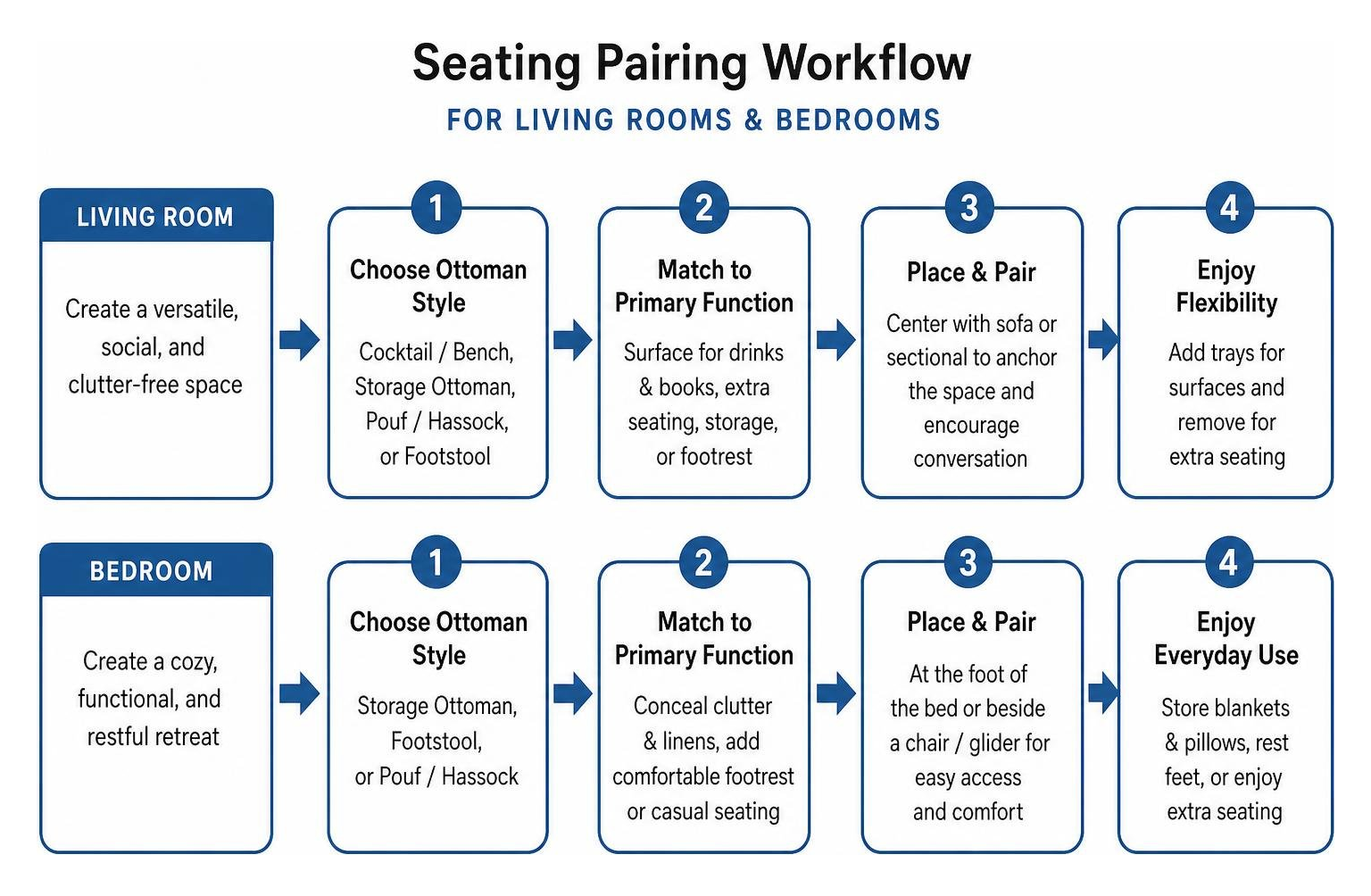
Beyond living spaces, pairing an accent chair with specialized gliding footrests and nursery pairings creates an ergonomic retreat for nursing, reading, or resting tired legs at the end of the day.
Living Room Centerpieces and Flexible Seating
When arranged in the center of a conversational seating cluster, a large cocktail or bench ottoman invites relaxation. It softens the hard architectural lines of entertainment centers and consoles, serving as a family-friendly alternative to sharp-edged tables. When hosting large gatherings, simply remove your decorative trays to instantly gain two or three extra guest seats.
Bedroom Dressing and End-of-Bed Accents
Placing a bench-style footrest across the foot of a bed elevates your bedroom aesthetic into a boutique hotel experience. It provides a practical spot to sit while putting on shoes, laying out tomorrow's wardrobe, or relaxing with a book before sleep. In smaller guest rooms, a compact storage footrest positioned near a vanity or window serves as a charming dressing stool while housing spare bed sheets.
Material Selection and Durability Factors
Your choice of materials dictates not only the visual warmth of your home but also how well your furniture stands up to daily life, pets, and children.
- Natural Rattan and Wicker: Brings warmth, biophilic elegance, and breezy coastal charm to indoor spaces, sunrooms, and covered lanais.
- Resin All-Weather Wicker: For high-traffic areas or outdoor patios, premium resin wicker options resist moisture, UV rays, and temperature shifts without peeling or cracking.
- Top-Grain Leather: Offers timeless luxury and develops a rich patina over time; easy to wipe clean, making it a great choice for family rooms.
- Velvet and Textured Chenille: Delivers deep jewel tones and tactile indulgence, ideal for formal living rooms and master suites.
- Performance Fabrics (Sunbrella® & Revolution): Resists stains, spills, and color fading, providing maximum durability for homes with active pets and kids.
Size, Height, and Spatial Proportions for Seating
Getting the scale right makes all the difference between an ergonomic sanctuary and an awkward obstacle course.
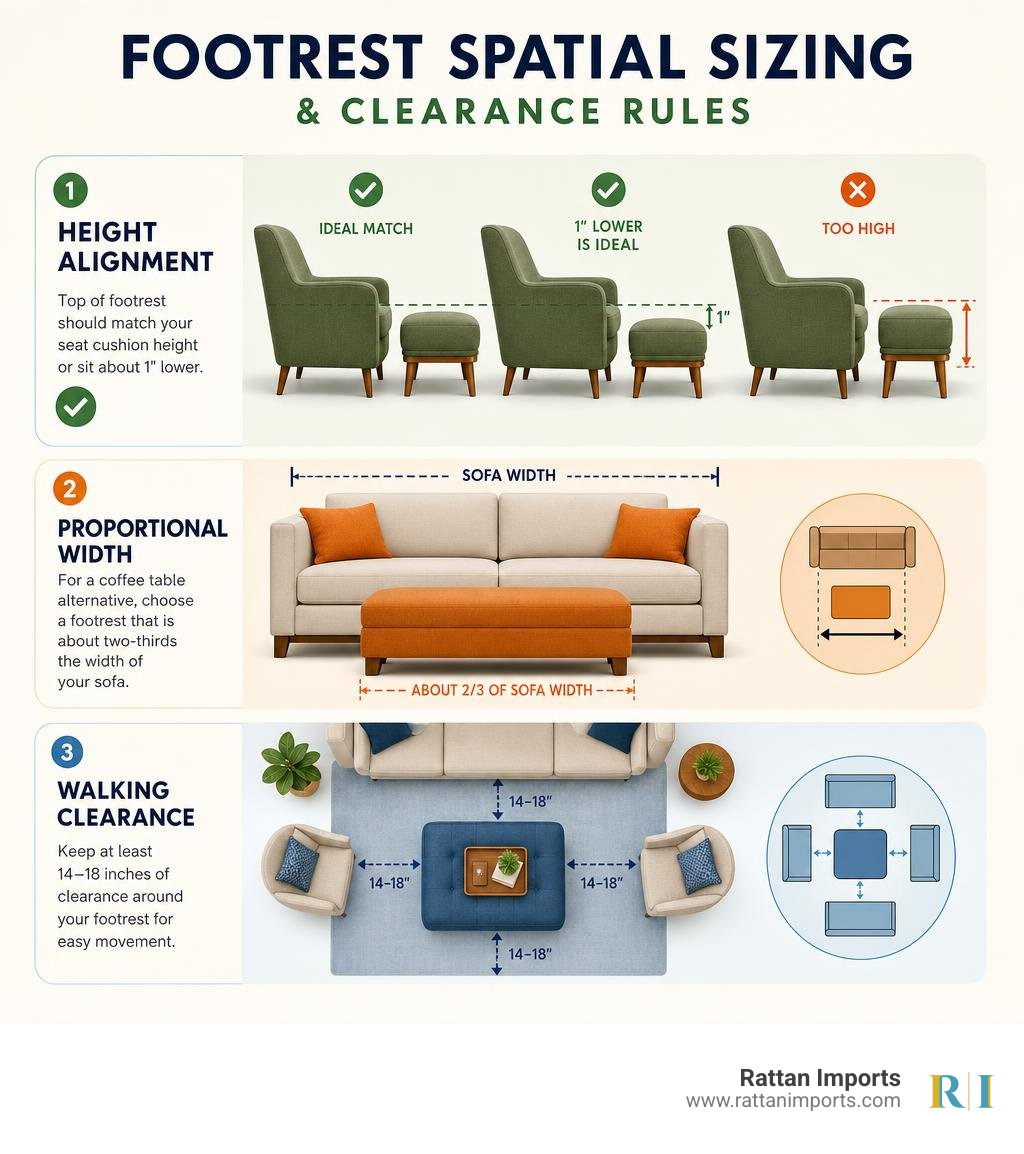
- Height Alignment: For ideal leg support, the top of your footrest cushion should match the height of your sofa or armchair cushion, or sit approximately 1 inch lower. Avoid footrests that are taller than your seat cushions, as they put uncomfortable pressure on the back of your knees.
- Proportional Width: When choosing a coffee table alternative, aim for a width that measures roughly two-thirds of your sofa's total seating width. This maintains visual harmony.
- Walking Clearance: Maintain at least 14 to 18 inches of clearance between the perimeter of your footrest and surrounding chairs, sofas, or media consoles to ensure smooth foot traffic.
Frequently Asked Questions
How does a footstool differ from an ottoman?
A traditional footstool is smaller, possesses exposed legs or an open frame, and is strictly engineered to support your feet. In contrast, an ottoman is larger, fully upholstered (or built on a structured woven frame), and designed to serve multiple functions, including acting as an extra seat, storage chest, or coffee table.
Should footrest height match the sofa cushion?
Yes. For optimal ergonomics, your footrest should sit level with or up to one inch below your sofa's seat cushion. If you plan to use it primarily as a cocktail table with serving trays, choosing a model that sits 1 to 2 inches below the sofa height helps keep the tabletop visual line clean and accessible.
Can storage footrests fit in compact bedrooms?
Absolutely. A narrow, elongated storage bench placed flush against the foot of a queen or full-size bed maximizes vertical clearance while providing hidden storage for bulky blankets, pillows, and seasonal clothing without eating into valuable walkway space.
Conclusion
Whether you are looking to clear away living room clutter, introduce casual guest seating, or kick your feet up after a long day, the right footrest brings comfort, elegance, and multi-functional practicality to your home. At Rattan Imports, we take pride in offering premium home décor sourced from Southeast Asia and assembled in the U.S. We invite you to explore our handcrafted handcrafted ottoman collection, backed by free shipping across the U.S. mainland, identity theft protection, and our ironclad price guarantee policy.