



What is a Home Aesthetic and Why Does It Matter?

Home aesthetic is the visual and emotional character of your living space—a blend of colors, materials, textures, and furniture styles that reflects who you are and how you want to feel in your home.
Quick Guide to Understanding Home Aesthetic:
- Definition - Your home's overall look and feel, combining design elements into a cohesive style
- Purpose - Creates spaces that reflect your personality while meeting practical needs
- Key Components - Color palettes, textures, patterns, lighting, and furniture choices
- Popular Styles - Minimalist, Scandinavian, Farmhouse, Mid-Century Modern, Industrial, Maximalist, and more
- Benefits - Helps you make confident decorating decisions and create a unified, intentional space
Think of interior design styles as flavor profiles for your home. Just as you might prefer spicy food over sweet, you're naturally drawn to certain colors, patterns, and furniture styles. Understanding these preferences gives you a framework to explore what truly resonates with you and build a space that feels authentically yours.
The beauty of home aesthetic is that there's no single "right" style. Whether you're drawn to the clean lines of Scandinavian design, the warmth of farmhouse decor, or the bold energy of maximalism, the goal is creating a home where you feel comfortable and inspired. Interior design isn't just about making spaces look beautiful—it's about balancing form and function so your home works for your daily life.
I'm Nino Russo Alesi, and my roots in Sicily taught me that curating a beautiful home aesthetic is about creating those special moments around the patio with family and meaningful spaces that bring joy to everyday life. At Rattan Imports, I've helped countless homeowners and designers find how natural materials and timeless pieces can anchor any home aesthetic while providing the personal support to make confident decisions.
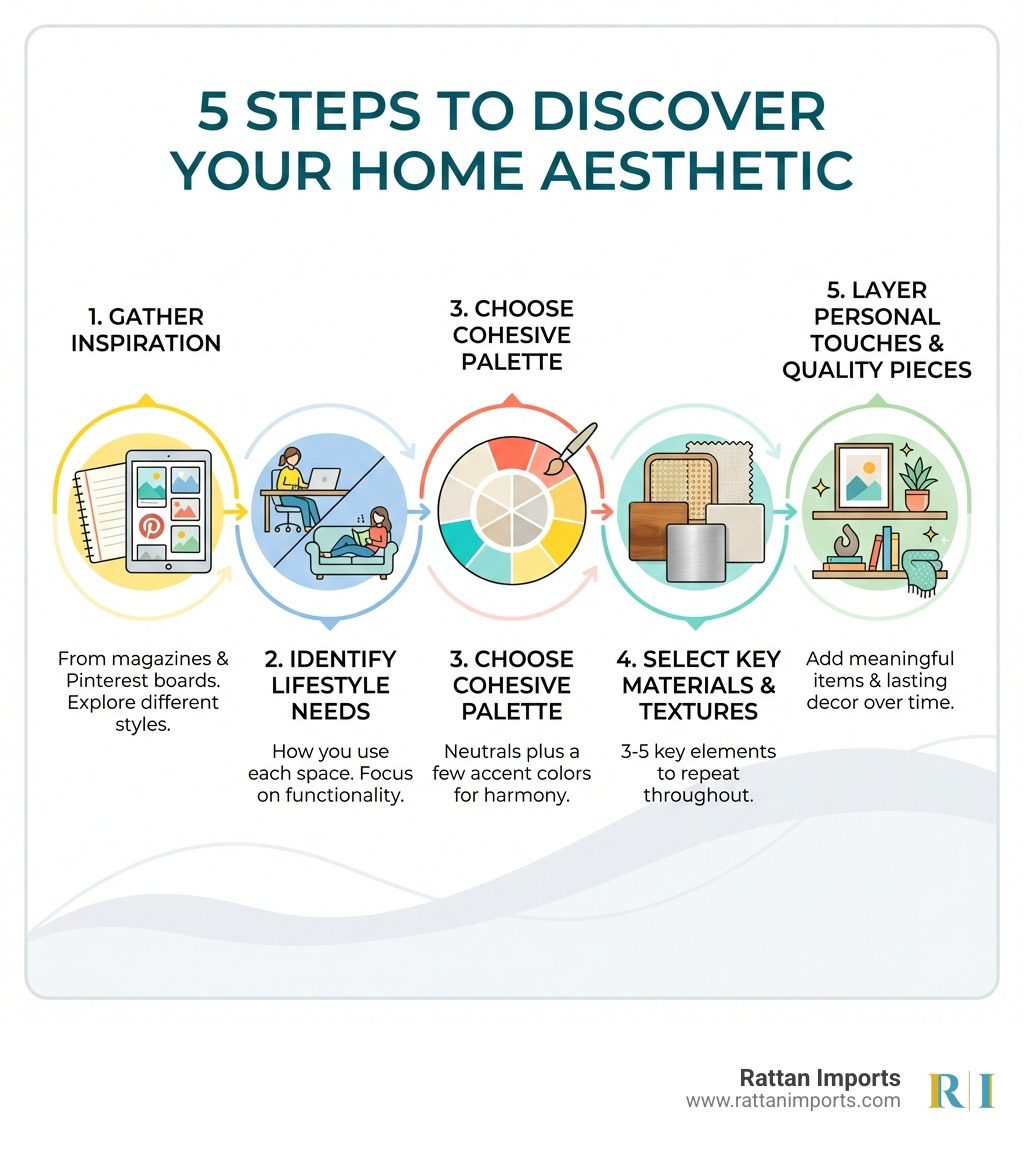
Handy home aesthetic terms:
- California coastal interior (https://www.rattanimports.com/blogs/news/29-rustic-california-coastal-interior-design-trends-to-love)
- Coastal grandmother aesthetic (https://www.rattanimports.com/blogs/news/embrace-the-vibe-your-coastal-grandmother-style-handbook)
- what is nancy meyers inspired interior design (https://www.rattanimports.com/blogs/news/what-makes-a-house-a-nancy-meyers-home)
Finding Your Signature Style: A Step-by-Step Guide
Starting on the journey to define your home aesthetic is an exciting adventure! It’s about more than just picking pretty things; it’s about understanding what makes you feel truly at home. We believe that finding your signature style is a process of self-exploration, leading you to create spaces that genuinely reflect your personality and lifestyle.
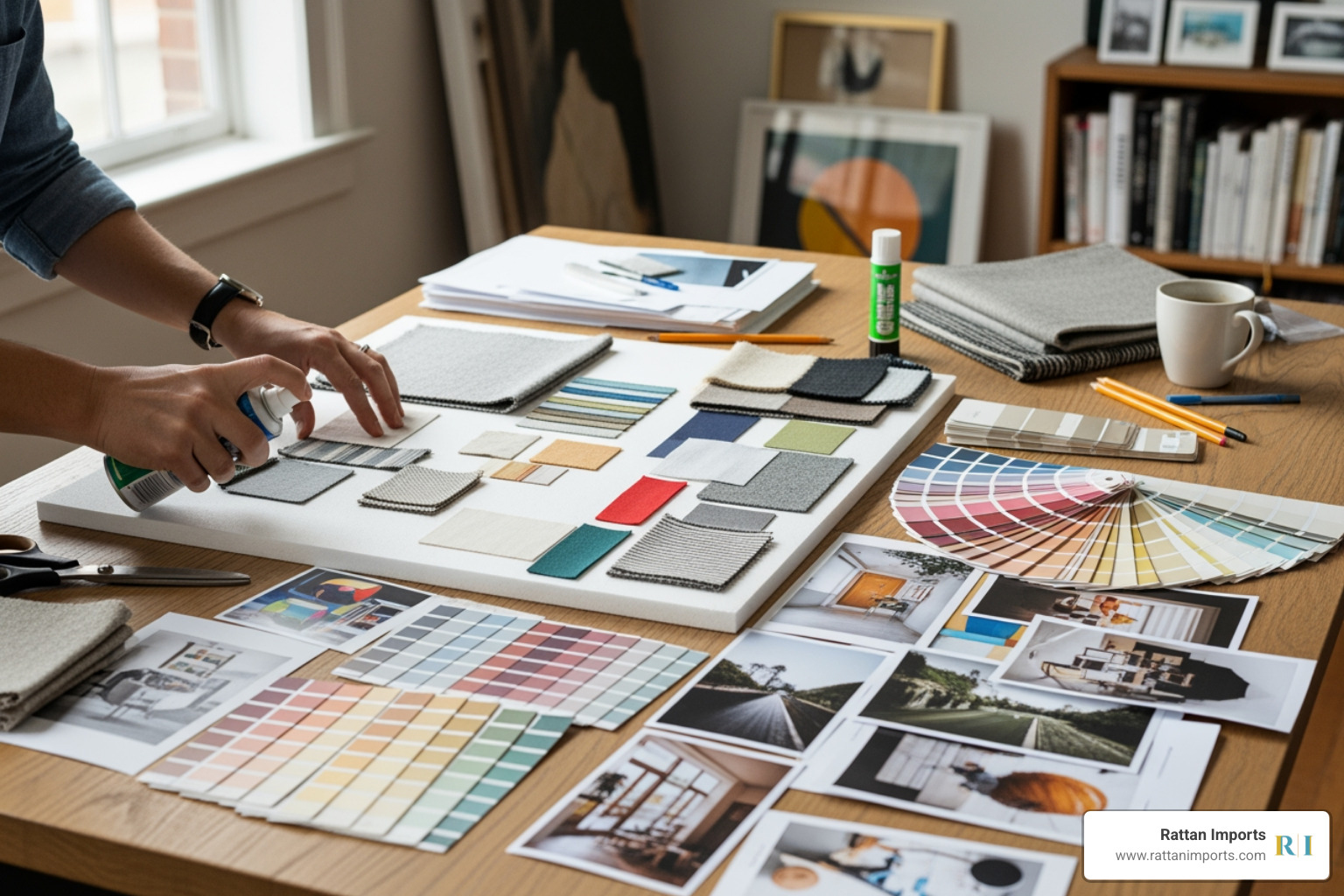
How to Define Your Personal Home Aesthetic
Defining your personal design style can feel daunting with so many options out there. But fear not! We have a simple, step-by-step approach to help you open up your unique home aesthetic.
Finding Inspiration: The first step is to gather visual cues. We recommend browsing interior design magazines or platforms like Pinterest and Houzz. Did you know there are over 20 million photos of home design ideas available on Houzz alone? Pin images that catch your eye, even if you can't immediately pinpoint why. Look for common threads in the colors, furniture, and overall mood of the spaces you're drawn to.
Actionable Steps for Self-Findy:
- Take Online Quizzes: Many online quizzes are designed to help you discern elements and themes that resonate with you. These can offer a fun starting point.
- Inventory Your Current Decor: Take a good look at your existing furniture and decor. Which items do you love? Which do you want to replace? Make detailed notes on why certain items appeal to you and use this information to guide future purchases. Identifying your color preferences based on your current decor is also a valuable exercise.
- Identify Your Preferences: Are you drawn to sleek, modern lines or ornate, classic details? Do you prefer vibrant colors or a calming neutral palette? What textures make you feel comfortable?
- Consider Your Lifestyle: Your home aesthetic isn't just about looks; it's about how you live. Do you love to entertain? A Boho style with plush seating and conversation areas might be ideal. If you crave a calming retreat, a Japanese-inspired space with natural materials and clean lines could suit you better. Think about the needs of everyone in your household, including pets and children. How do you use each room? What activities take place there?
Balancing Functionality and Aesthetics: At Rattan Imports, we firmly believe that interior design isn’t just about creating visually appealing spaces; it’s also about making them functional. Striking a balance between form and function is the key to good design. A room crammed with beautiful furniture won't be enjoyable if there's no room to move around. We always advise our clients to think about how they'll use each space. Ergonomic design, smart storage solutions, and clear traffic flow are essential for creating inviting environments that cater to individual needs without neglecting style. Your home should look good, but it should also work hard for you.
The Core Elements: Color, Texture, Pattern, and Light
Once you have a clearer picture of your personal home aesthetic, it's time to understand the fundamental building blocks that bring it to life.
Color Theory: Colors have a profound impact on our mood and the ambiance of a space. Color theory helps us influence that mood through successful color harmonization. Consider the psychological effects of different colors: blues and greens often evoke calm, while reds and yellows can energize. To create balance, we often use the 60-30-10 rule: 60% dominant color (usually a neutral), 30% secondary color, and 10% accent color. Using complementary colors (opposite on the color wheel) creates contrast, making elements pop, while analogous colors (next to each other on the color wheel) create a harmonious and cohesive look.
Texture and Pattern: These elements add dimension and depth to a space, making it feel rich and inviting. Texture, whether tactile (like a plush rug or a linen sofa) or visual (like a stone backsplash), adds interest. Patterns, from subtle geometrics to bold florals, add a dynamic and rhythmic element to interiors. We love incorporating natural materials like wicker and rattan (https://www.rattanimports.com/blogs/news/coastal-chic-to-indoor-comfort-the-versatility-of-rattan-wicker) to introduce organic textures that instantly add warmth and character to any home aesthetic.
Lighting: Often overlooked, lighting plays a huge role in setting the mood and ambiance of a space. We recommend using a combination of natural and artificial light to create a layered effect.
- Natural Light: Maximize daylight with sheer curtains or by keeping windows unobstructed.
- Ambient Lighting: Provides overall illumination (e.g., ceiling fixtures, recessed lights).
- Task Lighting: Focused light for specific activities (e.g., reading lamps, under-cabinet lights).
- Accent Lighting: Highlights features or creates dramatic effects (e.g., picture lights, uplights). A well-lit room feels more spacious, welcoming, and thoughtfully designed.
A Guide to Popular Home Aesthetic Styles
Understanding the fundamental interior design styles is like having a toolkit for your home aesthetic aspirations. Each style has its unique "flavor profile," allowing you to choose one that truly resonates with you or even blend elements to create something uniquely yours. Let's explore some of the most popular styles shaping homes today.
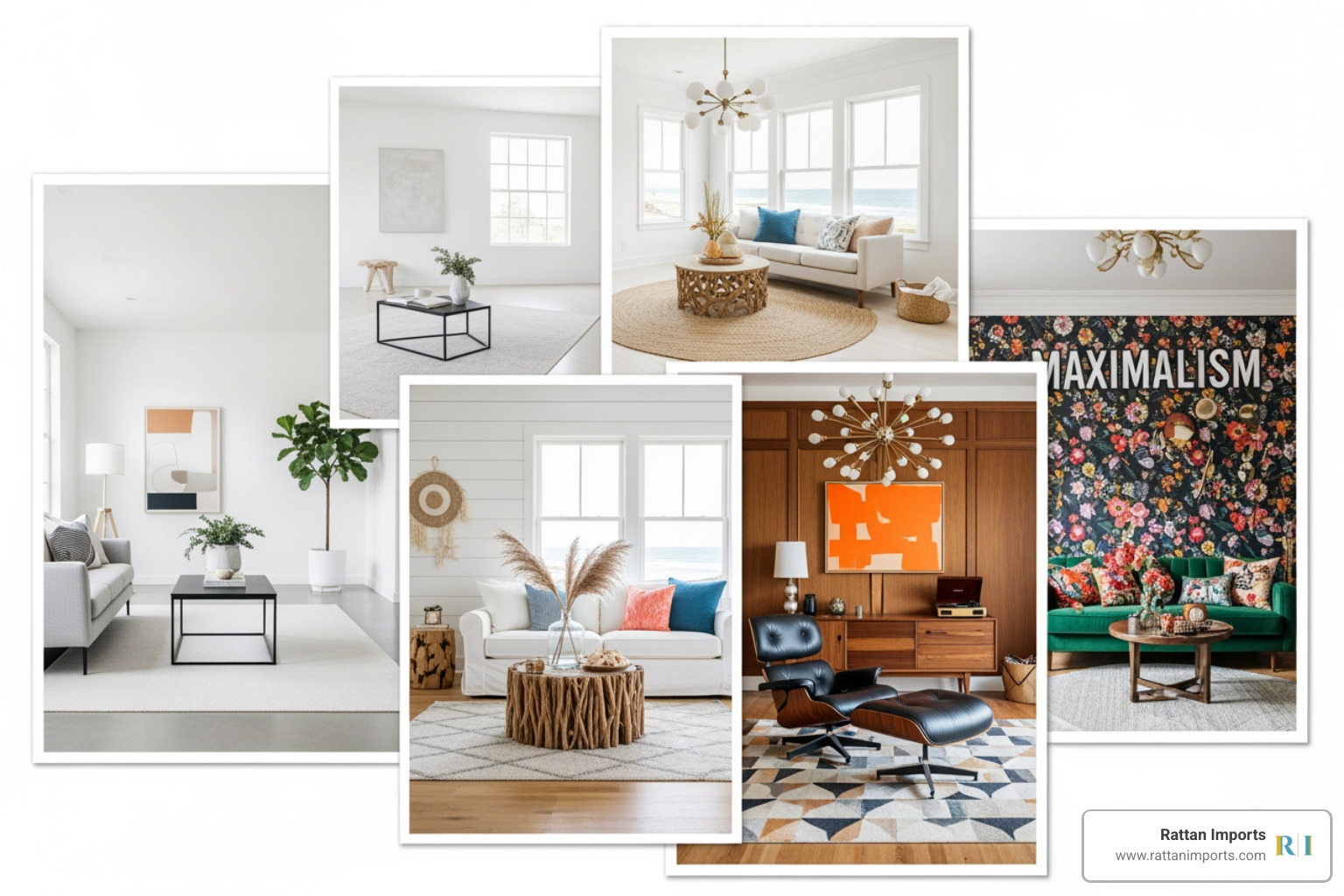
Clean, Calm, and Collected: Minimalist, Scandinavian, and Japandi
These styles prioritize simplicity, functionality, and a sense of calm. They are perfect for those who seek tranquility and uncluttered living.
- Minimalism: The philosophy of minimalist interior design can be encapsulated in the phrase “less is more.” This design approach aims to create a sense of simplicity and elegance through the use of minimal furniture and decor. Simplicity, functionality, and practicality are its hallmarks, often utilizing a monochromatic palette and avoiding clutter. It's about keeping things clean and simple to create a sense of calm and tranquility, focusing on essential beauty. For a deeper dive into this philosophy, explore this minimalist interior design philosophy (https://www.youtube.com/watch?v=fLnlKZiGdNI) video.
- Scandinavian: Emerging from Nordic countries in the mid-20th century, Scandinavian design is characterized by simplicity, minimalism, functionality, and clean lines. It accepts natural light, light-colored woods, and cozy textiles (often associated with "hygge") to create warm, inviting, yet uncluttered spaces.
- Japandi: A beautiful fusion, Japandi style combines Japanese design principles with a Scandinavian minimalist approach. It highlights comfort, simplicity, and the use of natural materials such as rattan and bamboo to cultivate serene and uncluttered spaces. You'll often find light-colored woods, natural fibers, and muted, earthy color palettes. Our Balinese rattan furniture (https://www.rattanimports.com/blogs/news/a-practical-guide-to-balinese-rattan-furniture) perfectly embodies the natural elegance and serene comfort that Japandi seeks.
Here's a quick comparison of these "clean, calm, and collected" styles:
| Feature | Minimalism | Scandinavian | Japandi |
|---|---|---|---|
| Philosophy | Less is more, essential beauty | Simplicity, functionality, hygge | Harmony of Japanese & Scandinavian |
| Color Palette | Monochromatic, neutral | White, light gray, muted pastels | Muted, earthy tones, soft neutrals |
| Materials | Stone, wood, glass, metal | Light wood, natural fibers, wool | Rattan, bamboo, light wood, stone |
| Key Elements | Clean lines, minimal decor | Natural light, cozy textiles, simple forms | Serenity, craftsmanship, uncluttered |
Warm, Rustic, and Relaxed: Farmhouse, Coastal, and Biophilic
If your ideal home aesthetic involves comfort, connection to nature, and a laid-back vibe, these styles might be your perfect match.
- Farmhouse: This style is the junction where rustic charm meets refined elegance. Modern farmhouse enriches the home environment with a blend of historical character through vintage pieces and fresh contemporary light fixtures. Reclaimed wood adds warmth and authenticity, prominently featured in ceiling beams, flooring, and kitchen islands. Natural light streaming through windows accentuates the ambiance, balanced by a natural color palette of bright white walls and neutral tones. It's cozy, relaxed, and encourages mixing and matching pieces from different eras.
- Coastal: Also known as beach or nautical style, coastal design echoes the ease and relaxation of life by the sea. It uses a soft, breezy color palette of whites, blues, and sandy tones, with natural materials and seaside-inspired decor. Think natural fibers like sisal, jute, linen, and cotton, often paired with light wood, shiplap, and driftwood accents. For inspiration, check out our coastal bedroom decor (https://www.rattanimports.com/blogs/news/drift-away-top-picks-for-coastal-bedroom-decor) ideas.
- Biophilic: This design celebrates the inherent human-nature connection in the built environment. It's about bringing the outdoors in. Natural materials like wood, stone, bamboo, jute, rattan, and live plants create a sense of balance and contribute to a serene atmosphere. Emphasizing natural light and incorporating organic shapes helps create a tranquil link to nature, promoting mental well-being and relaxation.
Timeless, Modern, and Edgy: Traditional, Mid-Century Modern, and Industrial
For those who appreciate history, sleek design, or raw, honest materials, these styles offer distinct expressions for your home aesthetic.
- Traditional: From 18th- and 19th-century European decor, traditional style is often associated with understated opulence, comfort, and warmth. It embodies symmetry and harmony, with furniture arranged symmetrically to follow the room’s axis. Rich woods like mahogany, maple, and cherry, along with classic fabrics and patterns, create a sense of enduring elegance.
- Mid-Century Modern: Emerging in post-war America (mid-20th century), this style is all about functionality and accessibility. It's characterized by clean lines, organic curves, and geometric shapes. Iconic furniture pieces, often made with newly developed materials like plywood and plastic, are central to this aesthetic, alongside natural elements of wood and stone. The color palette often features vibrant accents against more subdued backgrounds.
- Industrial: Rooted in early 20th-century urban spaces, industrial design celebrates the unrefined, pristine beauty of construction materials. It features architectural elements like exposed brick, concrete, metal, high ceilings, and large windows. The color scheme is typically neutral, with darker furniture contrasting against light walls. Utilitarian furniture and exposed lighting elements complete this edgy, urban look.
Bold, Expressive, and Unique: Eclectic, Maximalism, and Art Deco
If you're not afraid to make a statement and accept individuality, these styles offer vibrant and expressive ways to define your home aesthetic.
- Eclectic: This style celebrates individuality and a mix of styles, characterized by an artistic and free-spirited approach. It often incorporates cultural influences and historical periods, blending modern elements with vintage pieces. The fun part about eclectic design is the freedom to collect unique and eye-catching items without adhering to matchy-matchy rules, prioritizing balance and cohesion through unifying themes or focal points.
- Maximalism: More than just an interior design choice, maximalism is a lifestyle that accepts the "more is more" philosophy. It's characterized by bold, vibrant patterns and colors, an abundance of decor, and a curated collection of artworks and artifacts. Opulent fabrics like velvet and silk, rich jewel tones, and layered textures transform rooms into vibrant canvases of individuality. It's about finding harmony in diversity and telling your unique story.
- Art Deco: A bold, opulent design style that emerged in the 1920s, Art Deco is characterized by luxury and modernity. It blends glamour with a modern edge, preserving its legacy with lavish materials, iconic geometrical shapes, patterns, and striking colors. Rich colors and high-contrast pairings (like black, gold, or white and navy), lacquered wood, mirrored surfaces, and velvet fabrics create a tactile, luxurious vibe.
Curating Your Space: Tips, Trends, and FAQs
Now that we've explored the diverse world of home aesthetic styles, let's talk about how to apply this knowledge to curate a space that feels uniquely yours. The goal isn't to perfectly replicate a style, but to draw inspiration and make it your own.
How to Mix and Match Your Favorite Home Aesthetic Elements
You don't have to stick to just one style! Even design professionals love mixing styles, old and new. The key is to create a cohesive look, not a chaotic one.
Cohesive Design Principles:
- Start with a Whole-Home Vision: Before making specific choices, think about the overall feeling you want your entire home to evoke. Create a mood board with inspiration images, color swatches, and material samples. This big-picture planning ensures your decisions, from lighting fixtures to textiles, align.
- Repeat Key Elements: To tie spaces together, repeat elements like architectural styles, hardware finishes, textiles, or wood tones throughout your home.
- Consistent Color Palette: Maintaining a consistent color palette throughout your house will blur the lines between styles, creating a sense of flow even if individual pieces differ.
- Use Transition Spaces: Hallways and entryways are excellent opportunities to connect different rooms. Use cohesive paint colors, artwork that references adjacent palettes, or rugs made of similar materials to guide the eye.
The 3-4-5 Method: For a structured approach to mixing, consider the 3-4-5 Method, coined by designer Nancy Cavaliere. This process involves using three patterns, four period styles, and five colors or textures in each room. It's an easy way to blend patterns, periods, and colors successfully without overwhelming the space. Learn more about The ‘3-4-5’ Rule explained (https://www.sunset.com/home-garden/design/3-4-5-decorating-rule).
Mixing Materials: Don't be afraid to mix materials, like a Persian rug with a plastic chair, or incorporate new with old. The trick is to find a common thread—perhaps a shared color, texture, or an overall feeling—to unify diverse pieces. For instance, wicker living room furniture (https://www.rattanimports.com/blogs/news/wicker-living-room-furniture-that-weaves-comfort-and-style) can act as a unifying element, bringing a natural, relaxed texture that complements many styles, from coastal to bohemian to Japandi.
Incorporating Current Trends and Natural Materials
While timelessness is often our goal, incorporating current trends can keep your home aesthetic feeling fresh and relevant. Many 2025 trends align beautifully with a focus on comfort, sustainability, and natural elements.
Current Trends for 2025:
- Organic Modernism: A blend of contemporary design with natural materials and nostalgic accents.
- Cozy Minimalism: A warmer take on minimalism, emphasizing comfort and soft textures.
- Biophilic Design: Cultivating a strong human-nature connection with abundant live plants and natural forms.
- Sustainable Surroundings: Prioritizing eco-friendly furniture and decor choices.
- Curved Lines: Soft, modern forms in furniture and architectural elements.
- Color Drenching: Painting walls, trim, and ceilings the same color for bold, immersive interiors.
- Vintage Revival: A shift towards 1920s and 1930s styles, including Art Deco influences.
Natural Elements: Incorporating natural elements adds warmth, authenticity, and a sense of calm. Wood, stone, and plants are fundamental. They can be integrated through furniture, flooring, decorative objects, or even exposed architectural features. They also contribute to biophilic design, enhancing well-being.
Rattan and Wicker: These natural materials offer timeless appeal and incredible versatility, fitting seamlessly into many home aesthetic styles. From coastal to bohemian to Japandi, rattan and wicker bring an organic texture and a relaxed elegance. We offer exquisite rattan coffee tables (https://www.rattanimports.com/blogs/news/rattan-coffee-tables-style-and-functionality-for-your-living-room), stylish rattan chairs (https://www.rattanimports.com/blogs/news/elevate-your-dining-room-with-rattan-chairs), and neat rattan bed frames (https://www.rattanimports.com/blogs/news/rattan-bed-frames-for-double-beds-elegance-meets-comfort) that can anchor your space with their beauty and craftsmanship. They're durable, sustainable, and instantly lift any room.
Frequently Asked Questions
We often hear similar questions from those looking to define their home aesthetic. Here are some common ones:
How do I define my design style? We recommend a multi-pronged approach:
- Gather Inspiration: Browse interior design magazines, Pinterest boards, and Houzz to collect images you love.
- Self-Assessment: Take online quizzes to get a sense of your leanings.
- Analyze Your Current Space: Identify what you already own and love, and what you'd like to change. This helps identify your core color, texture, and pattern preferences.
- Consider Your Lifestyle: Think about how you use your home and what emotional atmosphere you want to create. Do you need a lively space for entertaining or a serene sanctuary for relaxation?
What is the difference between eclectic and maximalism? While both accept variety, there's a key distinction. Eclectic design refers to a curated mix of different styles and elements, aiming for a harmonious balance that tells a unique story. It's about thoughtful selection and often has a unifying thread. Maximalism, on the other hand, is characterized by bold, vibrant patterns and colors, and an abundance of decor. It accepts the "more is more" philosophy, often layering textures, patterns, and collections for a visually rich and saturated effect. While an eclectic design may incorporate some maximalist elements, it also incorporates a variety of other styles, whereas maximalism focuses solely on creating a visually striking and abundant space.
Can I mix different design styles? Absolutely! In fact, mixing styles can lead to a more personal and dynamic home aesthetic. The key is balance. Choose a dominant style as your foundation and use elements from other styles in a supporting role. Maintain a consistent color palette, ensure scale and proportion are harmonious, and look for common threads—like a specific material (such as rattan or wicker) or a recurring motif—to tie everything together. Rooms should relate, not necessarily match.
Conclusion: Crafting a Home That's Uniquely Yours
Defining your home aesthetic is a personal and evolving journey, not a strict set of rules to follow. We've explored the fundamental interior design styles, digd into the core elements of color, texture, pattern, and light, and provided tips for curating a cohesive and stylish space.
The most important takeaway is to focus on creating a home that makes you feel comfortable, happy, and truly reflects your personality. Don't be afraid to break some rules, as award-winning interior designer Nate Berkus once said, "The best design projects were the ones where people broke all the rules." Your home should tell your story, not just mimic a catalog.
We encourage you to invest in a few high-quality pieces you love rather than filling your space with trendy clutter. Classic furniture will last longer, can be adapted to different styles over time, and often becomes cherished heirlooms. At Rattan Imports, we pride ourselves on offering premium, high-quality furniture sourced from Southeast Asia and assembled in the U.S. Our natural materials, like rattan and wicker, are perfect for building a timeless and personal home aesthetic that will bring joy for years to come. We offer free shipping across the U.S. mainland, a price guarantee, and identity theft protection, all backed by exceptional customer service and communication, because we believe your decorating journey should be as comfortable as your finished home.
Ready to bring your vision to life? Explore our collections of indoor furniture to find pieces that tell your story (https://www.rattanimports.com/blogs/news/wicker-whispers-discover-the-best-indoor-furniture).